

Cheap equipment is not necessarily cost-effective equipment
Had a guy call me last month, proud as can be about the deal he scored on a batch of no-name treadmills. Saved himself maybe four grand. Then the circuit boards started frying, one after another. His "savings" evaporated in service calls by the third month. See, I've watched this exact scenario play out more times than I can count — gym owners who think they're smart skipping the known brands, only to bleed money on downtime and repairs. A client last year bragged about snagging used ellipticals at auction. Those things cost him double in maintenance before he finally gave up and called us. The sticker price isn't the cost. It's the tech visits. It's the member who cancels quietly because her favorite machine's been down for two weeks. It's your front desk playing apologetic messenger on repeat. So cheap vs. premium? Wrong question. The real one is simple: what's that equipment going to cost you three years from now?
Every gym owner faces the same decision when outfitting a facility: stretch the budget with cheaper machines or invest in premium commercial grade. The numbers tell a different story than the initial invoice. Let's break down the actual value over a 5-10 year lifecycle.
A $2,000 machine that fails in 18 months isn't a bargain. A $4,500 machine that runs for a decade with minimal maintenance is. The math gets clearer when you factor in downtime, member dissatisfaction, and repair costs.
Payback Periods: When Does Equipment Earn Its Keep?
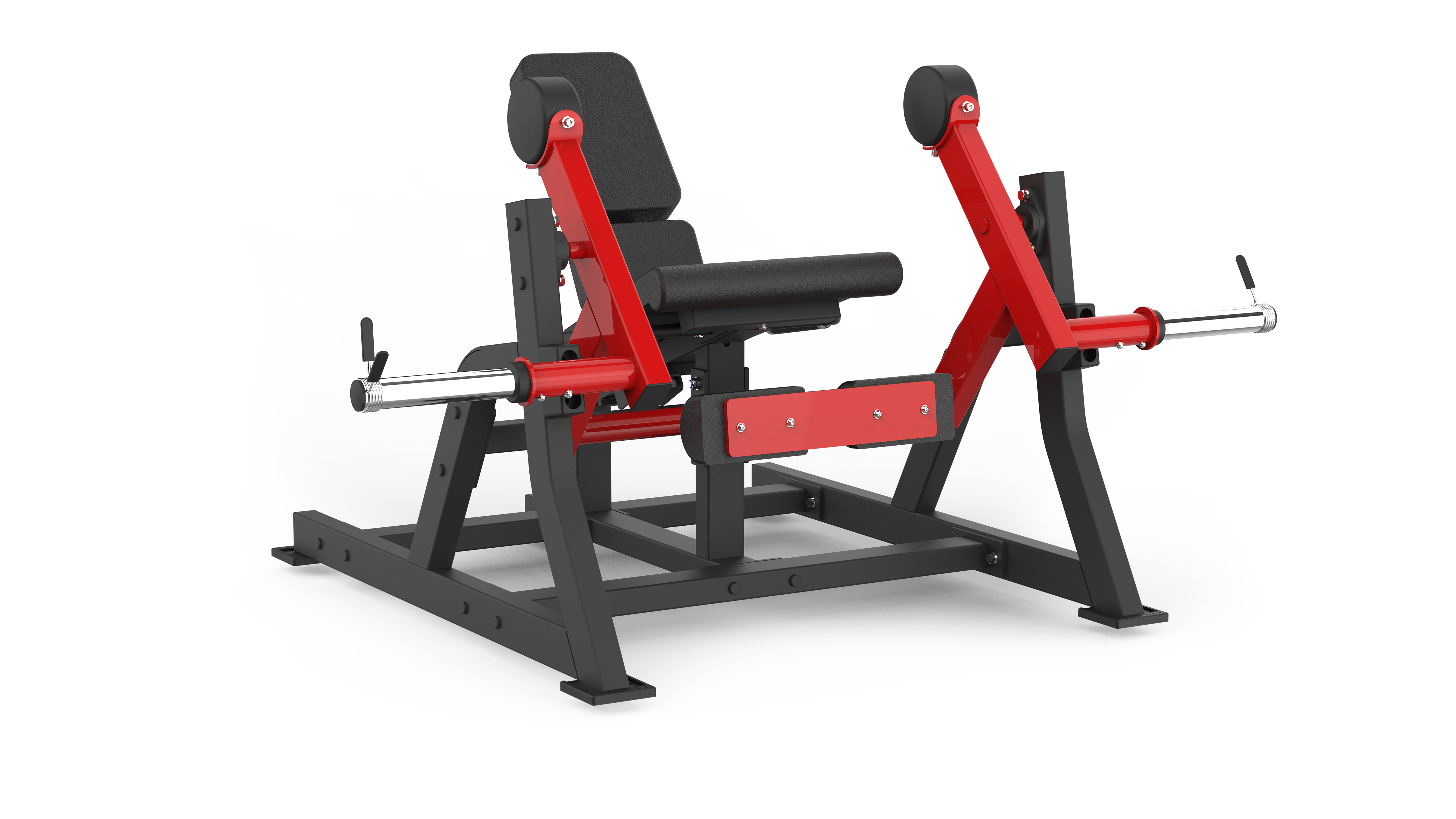
Commercial strength equipment typically pays for itself within 8-14 months of membership revenue. A selectorized machine like the XVD-023 SEATED LEG EXTENSION in a busy club sees daily usage. If your gym charges $50 monthly and 30 members use that machine weekly, it generates roughly $1,500 monthly toward your initial investment.
Cheap equipment might pay back faster on paper initially. But when that budget lat pulldown breaks in month six, you lose that revenue stream entirely. Premium equipment from manufacturers like Gym-wealth offers a longer revenue-generating lifespan, which shortens your true payback period.
Hidden Costs of Cheap Equipment
Buying budget equipment introduces costs that never appear on the original quote.
Downtime and Lost Revenue
When a machine goes down, you lose more than the repair cost. Members notice equipment out of order. They get frustrated. Some cancel memberships. A single broken machine in a 3,000-member facility can cost you dozens of members annually. That's tens of thousands in recurring revenue lost.
Repair Frequency and Parts Availability
Cheap machines use lower-grade cables, pulleys, and bearings. These components fail faster under commercial use. A machine that sees 500 uses weekly won't last with residential-grade parts. You'll also struggle to find replacement parts for no-name brands. Source your equipment from a manufacturer like XVD-033 ISO-LATERAL FRONT LAT PULLDOWN which provides complete aftersales service and readily available parts.
Safety and Liability
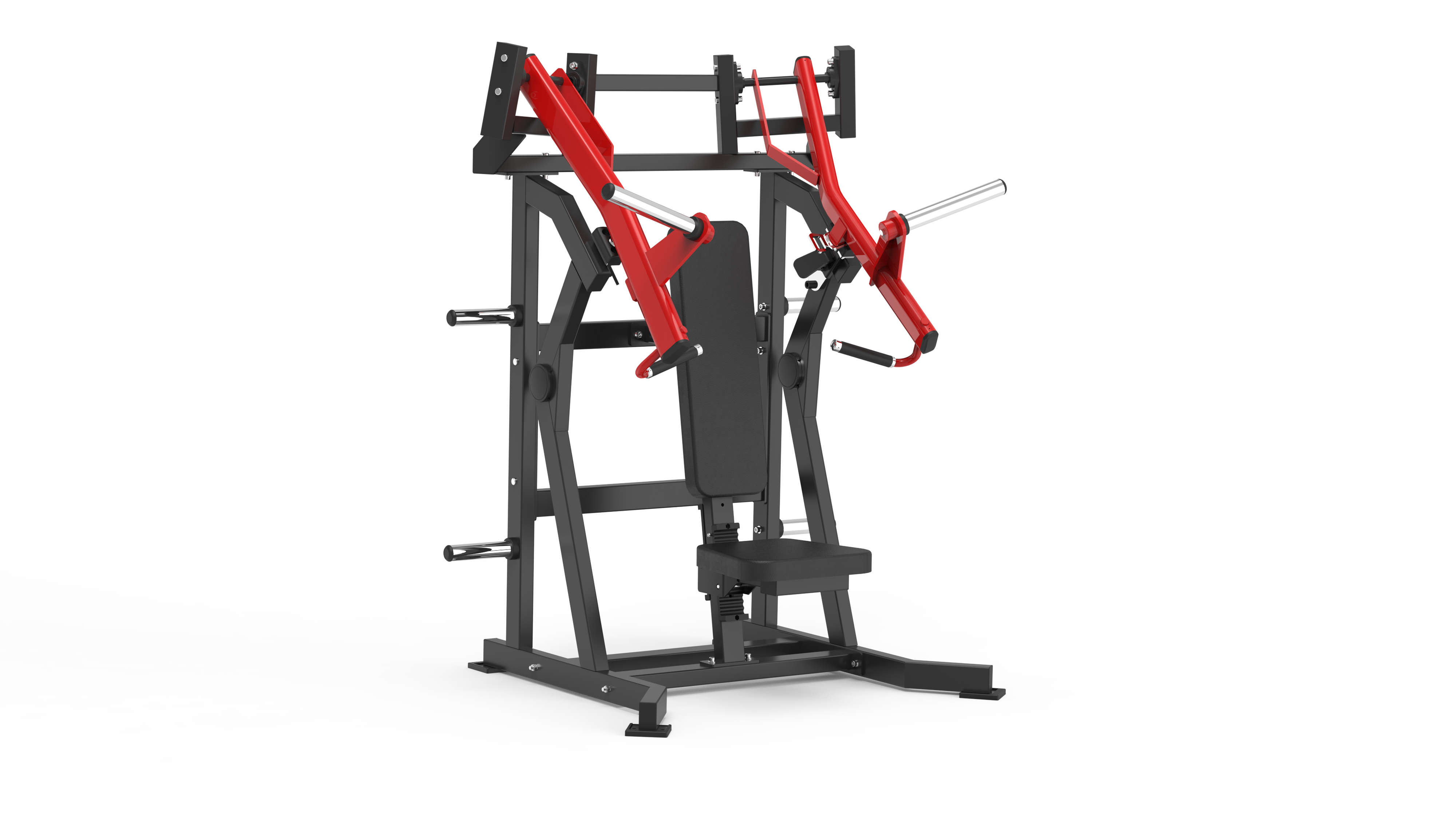
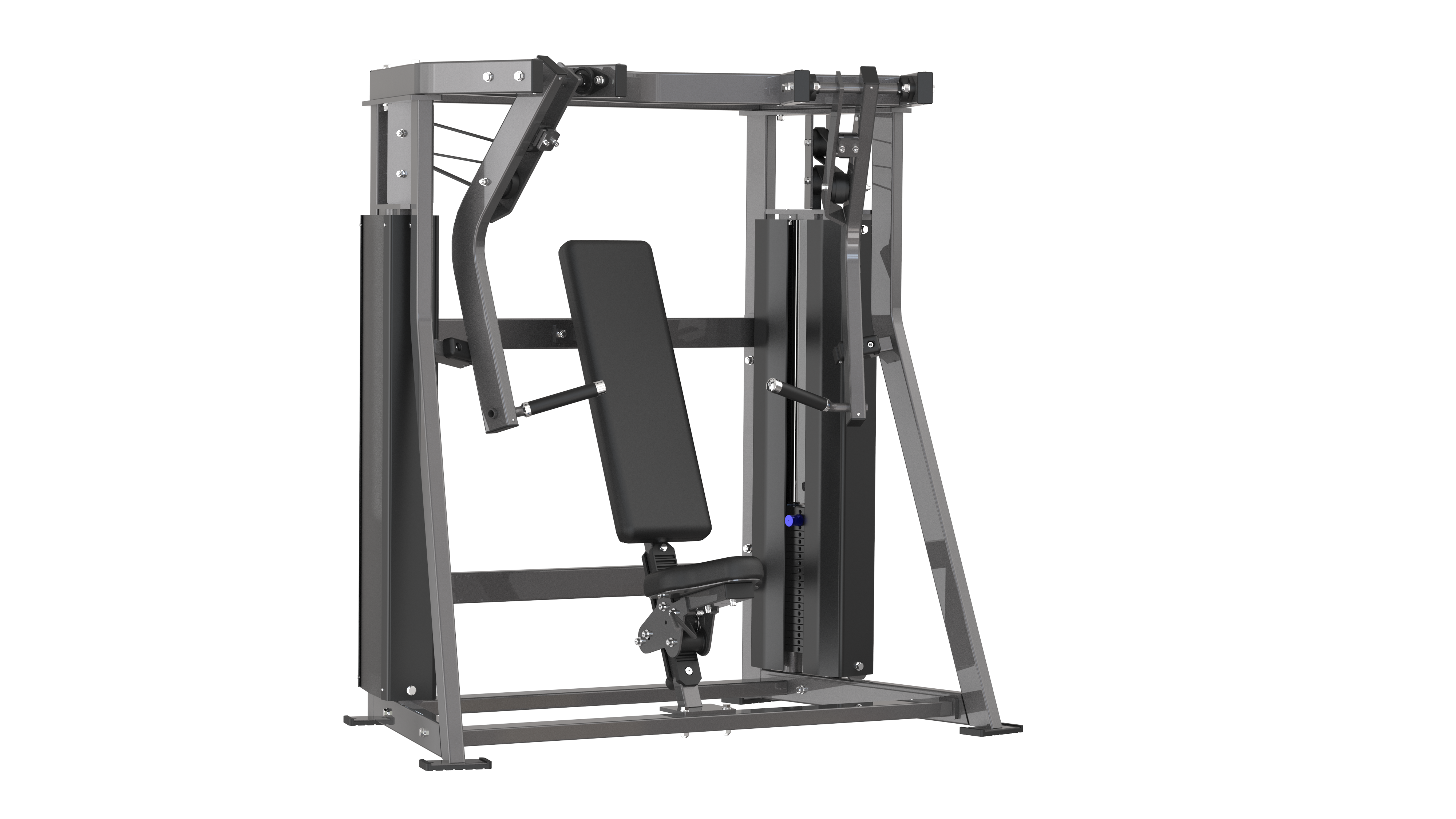
This is the hidden cost nobody wants to discuss. Poorly engineered equipment can fail during use. That creates liability risks that could put you out of business. Commercial-grade equipment undergoes rigorous testing and certification. Premium machines like the XVD-001 ISO-LATERAL BENCH PRESS are built with structural integrity in mind to handle heavy loads and intense daily stress.
Long-Term Value: The Case for Investing in Quality
Premium equipment from Chinese manufacturers like Gym-wealth offers something budget brands don't: ex-factory pricing on commercial quality. You're paying for engineering, durability, and service—not just a logo.
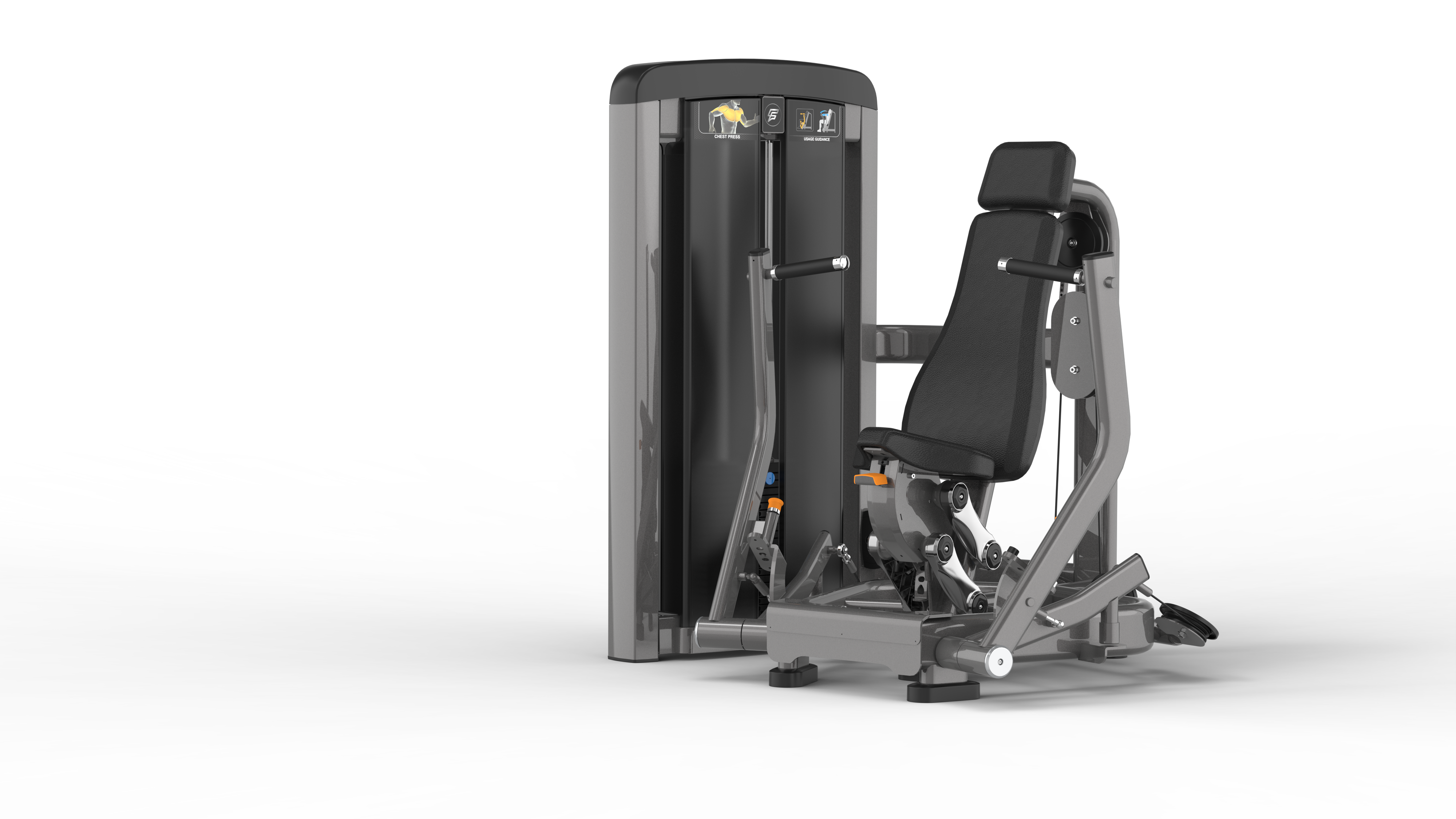
Consider the SF90 003A DELTS MACHINE. It features commercial-grade construction designed to withstand years of heavy use. The frame thickness, cable quality, and upholstery density determine lifespan. Cheap equipment cuts corners on all three.
Maintenance Costs Over Time
Premium equipment requires scheduled maintenance—lubrication, cable tensioning, occasional part replacement. Budget equipment requires emergency repairs, replacement of entire components, and eventually complete replacement.
A quality cable crossover like the TH005 CABLE CROSSOVER might need new cables every 3-5 years under heavy use. A cheap version might need new cables annually, and the frame may be irreparable. The long-term maintenance cost difference is substantial.
What Members Notice
Your members notice the difference between premium and budget equipment. The smooth motion of a well-engineered machine keeps them coming back. The shaky frame or jerky movement of a cheap machine drives them elsewhere.
When you invest in equipment like the MTS001 ISO-LATERAL DECLINE PRESS, you provide a better experience. That's a competitive advantage in an industry where churn rates run 30-40% annually. Equipment quality directly impacts retention.
Multi-Station Solutions for Maximum Value
Multi-station machines offer an interesting middle ground. Products like the TH49C 4 STATION let you outfit multiple workout areas with a single footprint. These are premium machines with commercial durability, but they deliver more value per square foot than individual units.
If you're opening a facility with limited capital, consider a phased approach. Start with core compound movements from premium lines—things like the XVD-030 SUPER SQUAT—and add machines as revenue grows.
Cardio Equipment: Don't Cut Corners Here Either
Cardio equipment takes a beating. Members sweat on it, drop weights on it, and run for hours on it. Cheap treadmills fail quickly in commercial settings. The XM750 COMMERCIAL TREADMILL is designed for this abuse, with commercial-grade motors and decks that handle thousands of miles annually.
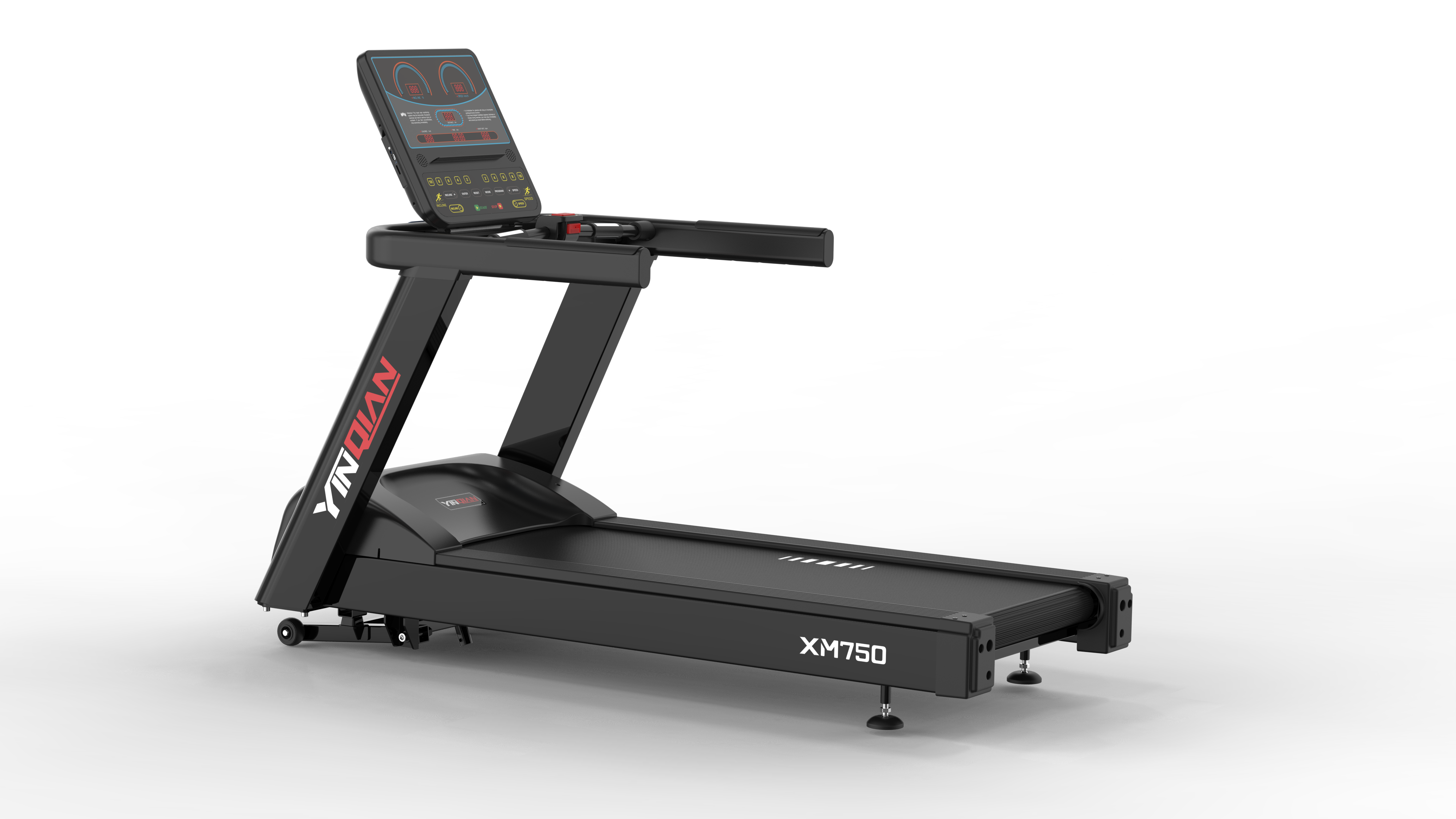
The cost difference between a residential treadmill and a commercial one is significant. But residential units simply don't survive in gyms. You'll replace them in under a year, spending more in the long run.
Making the Smart Investment
Your equipment is the product you sell. Every machine on your floor represents your brand value and your commitment to member experience. Don't undermine that with budget purchases that fail under real-world use.
Buy commercial-grade from factories that specialize in it. Look for manufacturers who sell at ex-factory prices—you cut out middlemen and get better equipment for the same money you'd spend on branded budget options. The long-term return justifies the investment.
Gym-wealth offers a complete line of commercial strength equipment at factory-direct pricing, making premium quality accessible for independent gyms and large fitness chains alike.