

Commercial Gym Equipment Roi Guide For New Studios
Gym Equipment ROI for New Studios: What I Tell First-Time Owners
Opening a studio is part real estate deal, part equipment math, and part operations grind. Get those in the right order and you build something that pays itself back. Get them wrong and you're stuck with machines that don't earn their floor space. Here's the checklist we walk first-timers through.
Step 1: Site Selection Before You Buy a Single Machine
Sign the lease before the equipment list and you'll regret it. Ceiling height, floor loading, and power capacity decide what you can actually run.
Ceiling height: You need 9–10 ft clear for functional trainers and any overhead pressing. Basements at 8 ft kill half your programming.
Floor loading: Plate-loaded leg presses and free-weight areas concentrate load. Ground floor or slab-on-grade beats a second-floor retail unit every time.
Power and HVAC: Cardio rows pull serious amperage. Confirm the panel can carry treadmills plus climbers without a costly upgrade.
Foot traffic and parking: 1,500–2,500 sq ft studios live and die on a 10-minute drive radius. Count cars at 6 pm on a weekday before you commit.
Step 2: Budget the Build, Not Just the Iron
First-timers typically sink 40–50% of startup capital into equipment and forget the rest. Build a line-item budget that covers leasehold improvements, permits, signage, POS and software, insurance, and three months of operating runway.
On equipment, resist the urge to buy everything at once. A phased plan lets early revenue fund the second wave. Start with the machines that serve the most members per square foot.
Step 3: Equipment Procurement That Actually Returns
ROI per machine comes down to utilization. Machines that sit empty are expensive furniture. Prioritize equipment that serves multiple movements and multiple member types.
Anchor pieces that pay back fastest
Cable and functional stations drive daily use. The ZH005 Functional Trainer
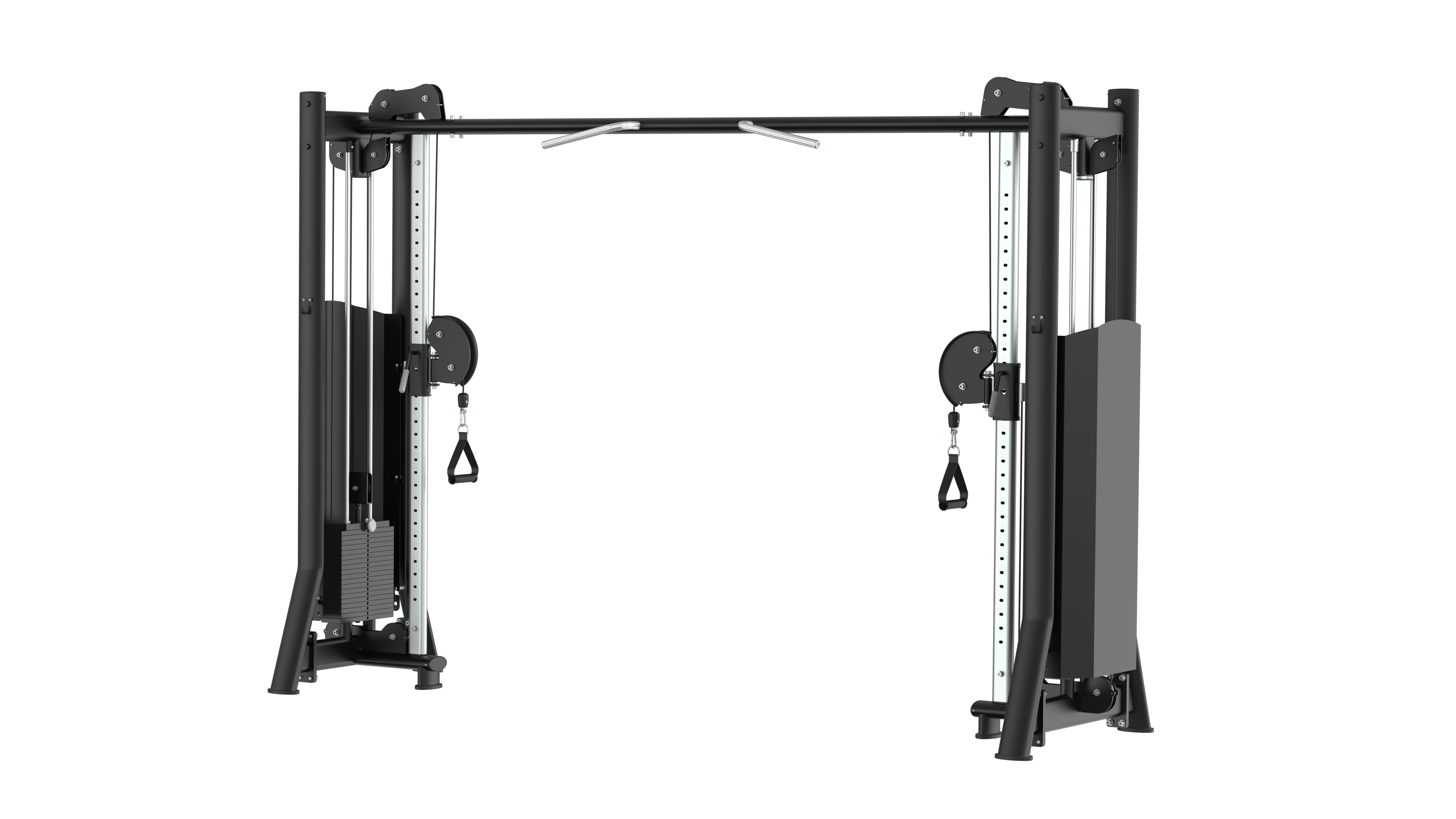
covers dozens of exercises in one footprint.
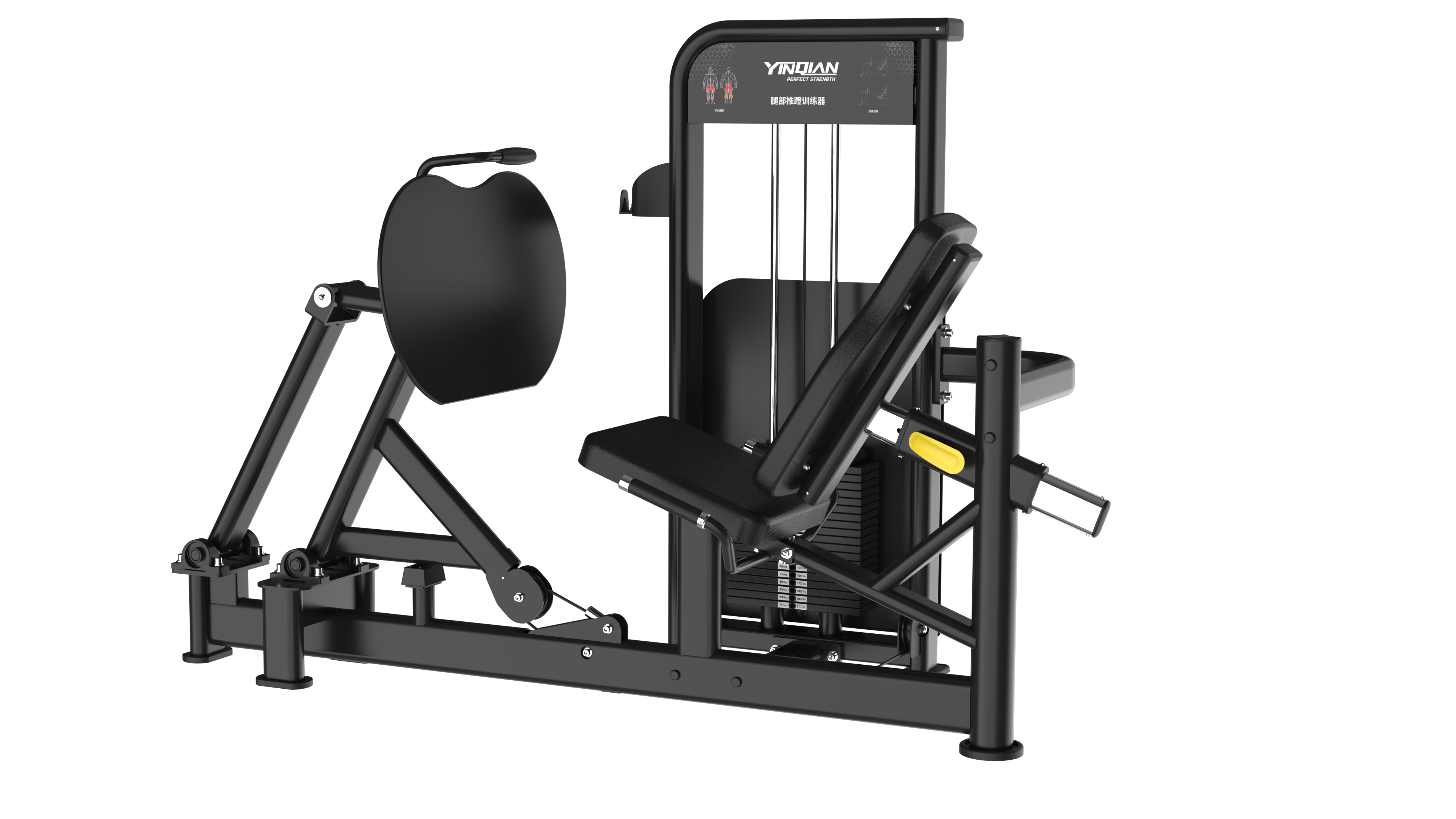
Leg training dominates member time. Pair a LY015 LEG PRESS
with the XVD-030 Super Squat
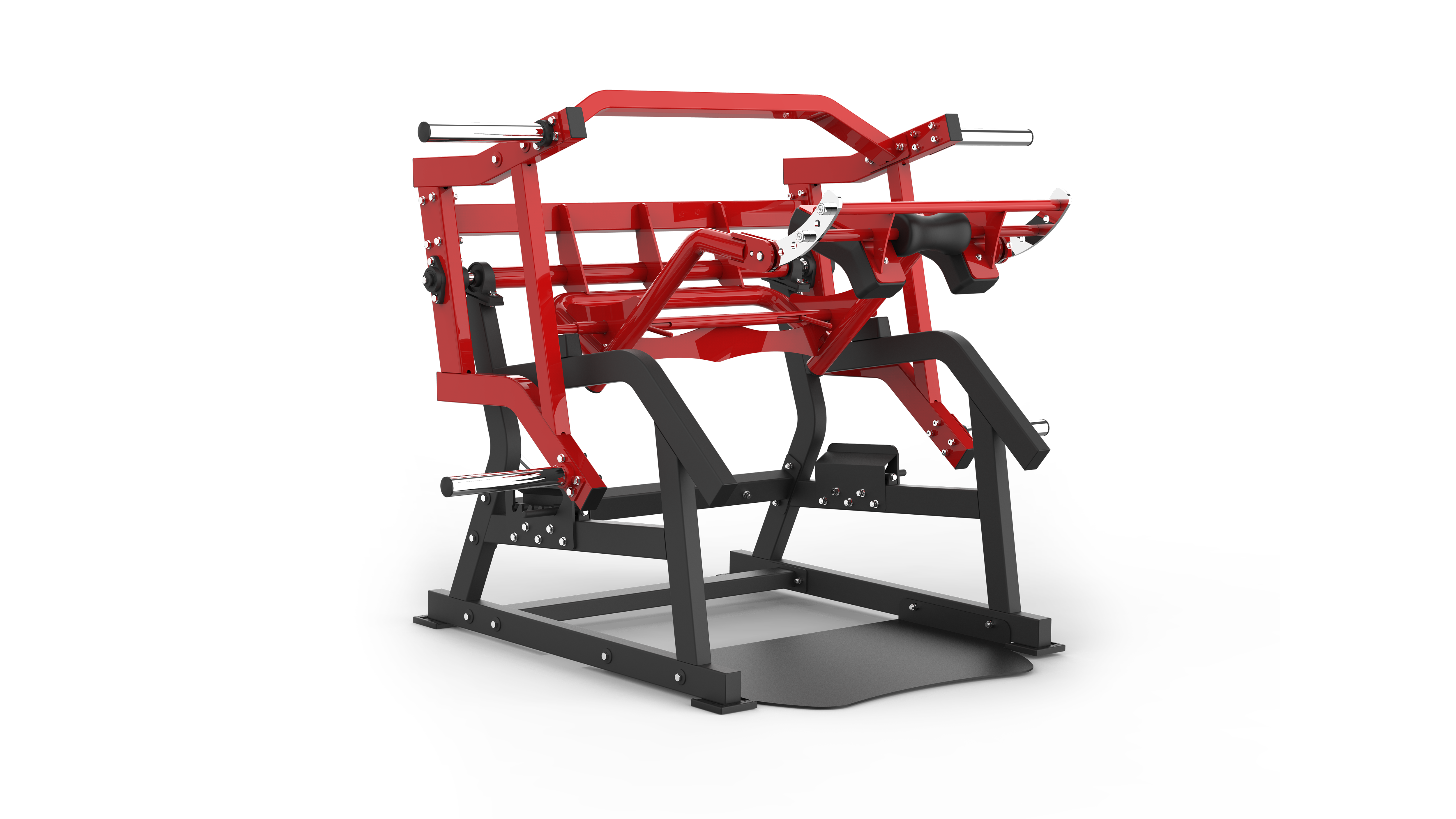
or a TH001A Multi Functional Group Squat Rack.
Pull and row movement fills the floor. The LY012 Lat Pulldown and XT-04 Low Row get hit every session.
Chest and press work anchors the free-weight zone. Run a XVD-035 Downward Oblique Chest Trainer alongside a TH020 Smith Machine.
Fill the gaps members notice
Leg isolation: ST016A Horizontal Leg Extension, LT-013A Horizontal Leg Curl, and the TH029 Seated Calf Machine.
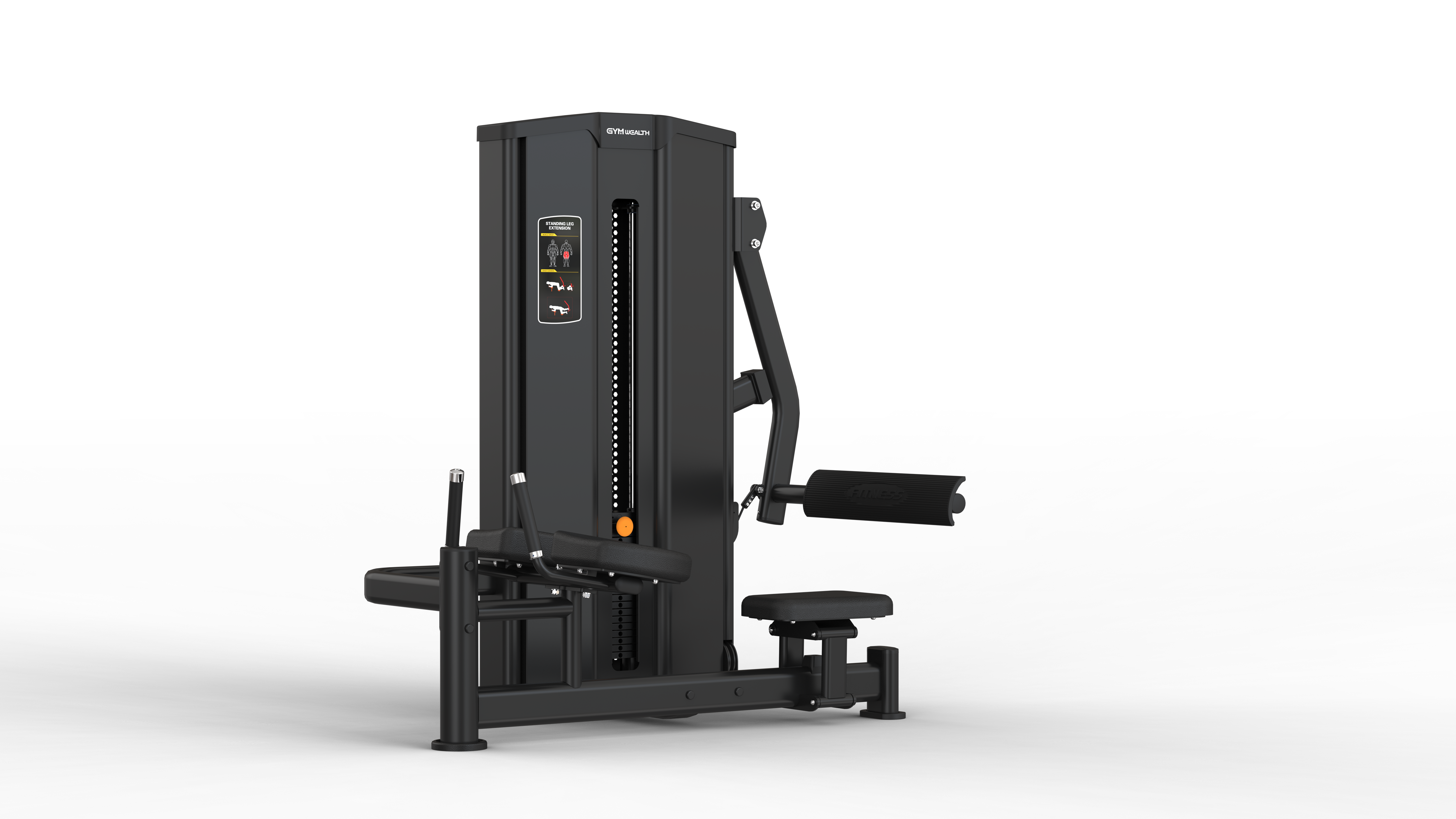
Arms: LT-006 Biceps Curl and SF90 007 Triceps Press.
Core and glutes: ZH032 Abdominal Machine and a ZH006 Hip Thrust.
Buying ex-factory direct from a manufacturer like Gym-wealth keeps capital in your pocket for the pieces that drive revenue. Spec the frame gauge and padding density, not the logo.
Step 4: Staffing Without Overhiring
Lean first. A new studio needs a floor manager, two or three certified trainers, and front-desk coverage. Cross-train everyone on maintenance and cleaning — equipment downtime kills retention faster than any marketing miss.
Step 5: Operations That Protect the ROI
Track utilization per machine monthly. Cut or reposition anything under 15% of peak-hour use.
Set a maintenance schedule from day one. Cable and pad replacement is cheap; broken machines drive members out the door.
Review your equipment ROI against membership revenue quarterly, not annually.
Equipment is the biggest line item and the easiest to get wrong. Buy for utilization, keep the floor lean, and let the machines earn their keep.