

commercial treadmill for small hotel gym
Commercial Treadmill Selection for a Small Hotel Gym
Hotel gyms typically involve limited ceiling height, tight floor space, unsupervised use, and long operating hours. The following points summarize the main specifications and layout considerations.
Treadmill specifications
Prioritize deck size, motor rating, and duty cycle. A 2.5–3.0 HP AC motor rated for continuous use is generally more suitable for hotel traffic than a higher peak-rated motor that may overheat. A deck of approximately 55" x 22" fits most guests without consuming excessive floor space.
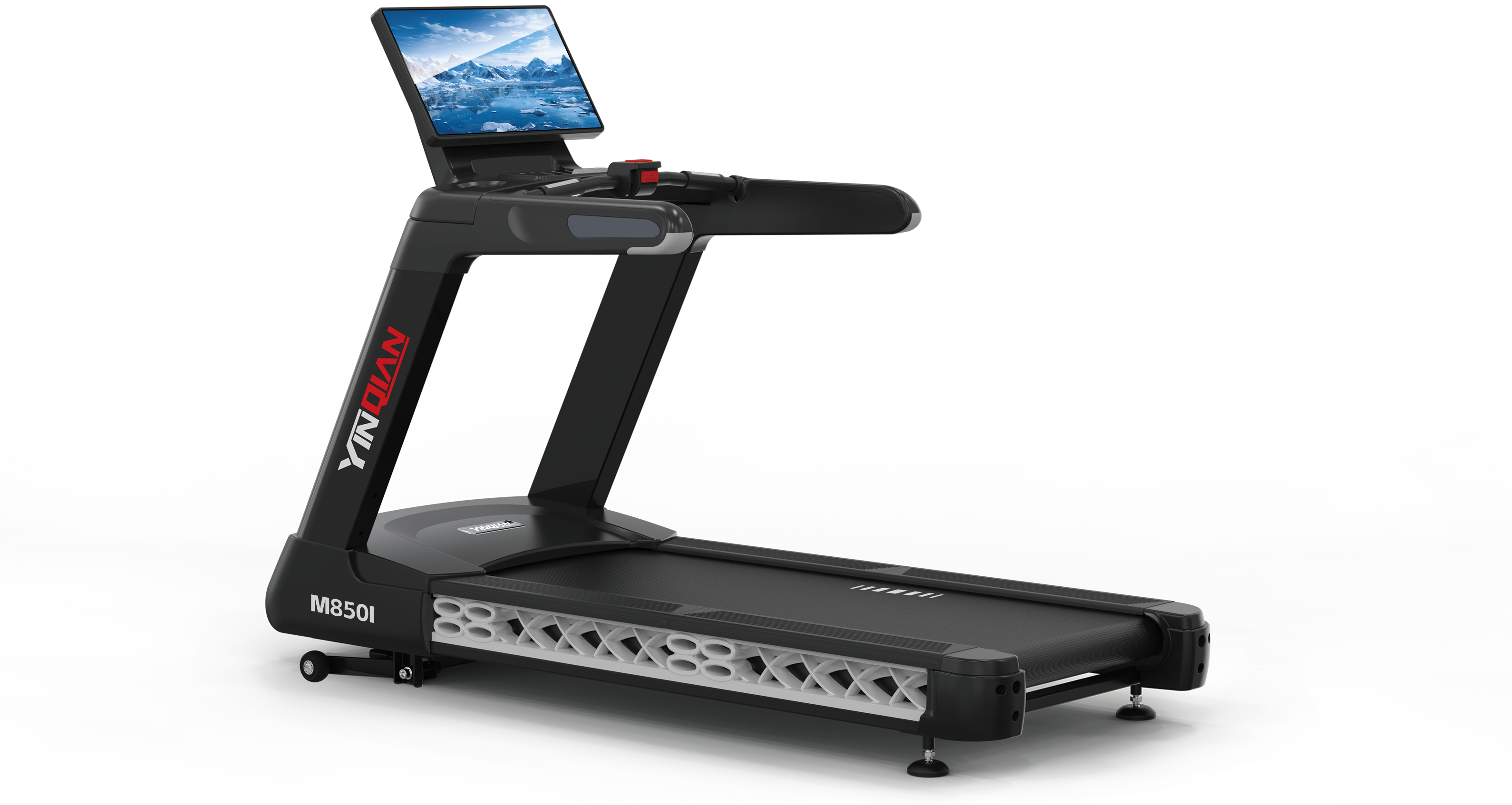
The M850-TFT COMMERCIAL TREADMILL and M850I-TFT COMMERCIAL TREADMILL are specified for this duty class, with TFT screens, commercial frames, and features intended for unsupervised hotel use. For a simpler display and lower-maintenance surface, the M850I-LED COMMERCIAL TREADMILL or M850-LED COMMERCIAL TREADMILL are alternatives.
Quantity
A common industry guideline is one treadmill per 8–12 rooms in an all-day fitness room. A 60-room property usually requires 2–3 treadmills, paired with one cross-trainer or bike. Cardio should not displace all strength equipment; guest feedback often notes gyms with “only treadmills.”
Room fit and clearance
Measure ceiling height first. A treadmill generally requires about 7 feet of clearance behind the deck for a safe fall zone, plus several inches on each side. A 6'6" ceiling with an 8% incline can be problematic for tall guests. Low-profile models and a floor layout prepared before ordering are advisable.
Strength equipment
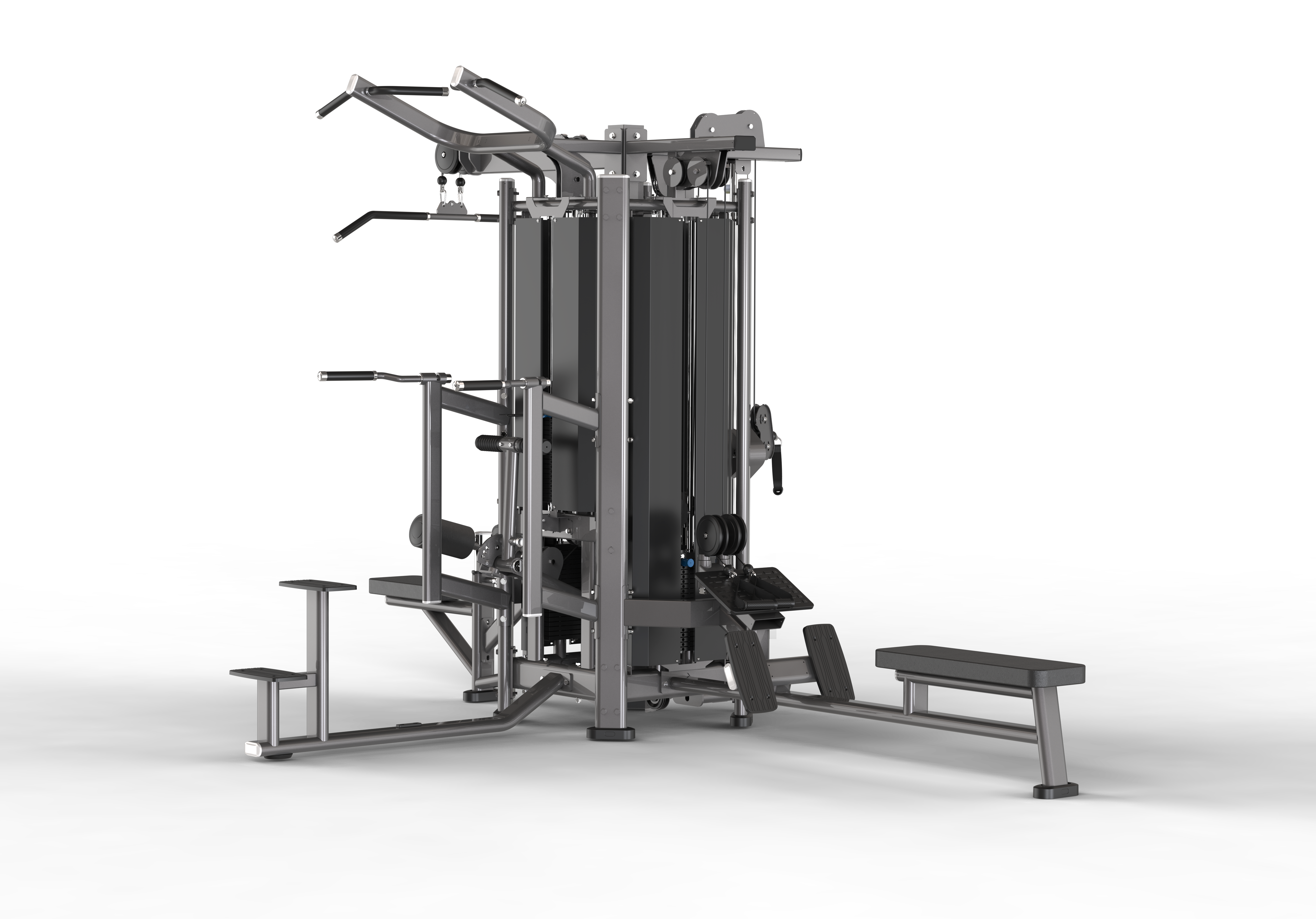
A 200–400 sq ft hotel gym can cover most muscle groups with one selectorized multi-station plus a few single machines. The TH49C 4-station or TH49E handles chest, back, shoulders, and legs in one footprint.
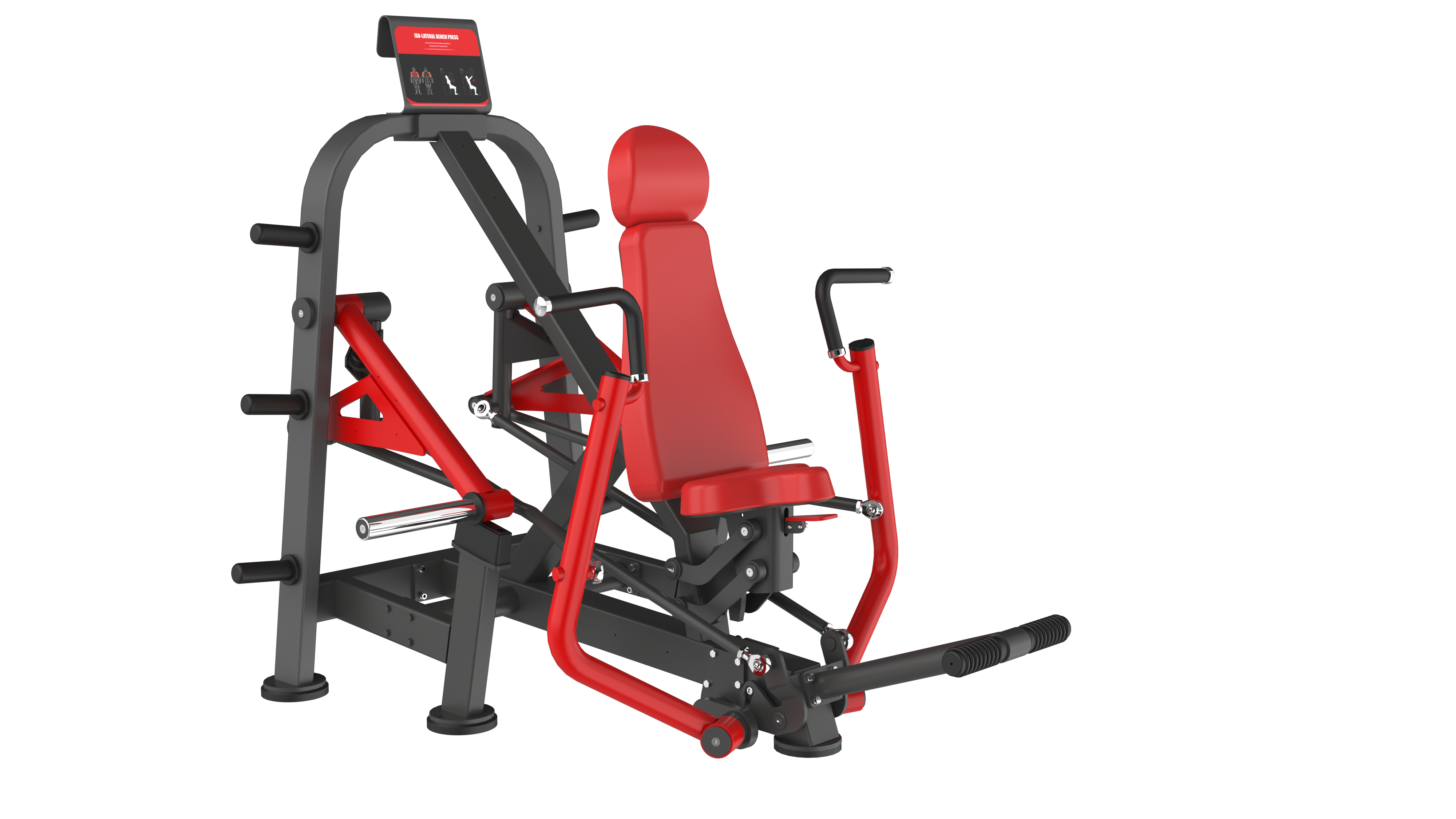
For individual stations, the PT001A vertical chest press, NT012 lat pulldown, and NT014 leg extension cover essential movements. A functional trainer such as the TH005A adds cable work, rows, and rotation without extra floor space.
Durability
Belts and decks are common first failure points, followed by console electronics. Hotel treadmills may run 8–16 hours per day, often with guests who do not warm up or wear appropriate footwear. A lubrication-free deck and a claimable belt warranty are important. The duty-cycle rating should be requested in writing; residential-grade machines described as “commercial” are a common risk.
Noise and vibration
Vibration isolation matters when the gym is above guest rooms. Rubber isolation pads under treadmill feet and commercial rubber flooring of at least 8mm can reduce complaints. On multi-floor properties, a treadmill at 10 km/h can transmit measurable vibration through a concrete slab.
Sourcing from a Chinese brand
Risk depends on factory vetting. Gym-wealth supplies commercial equipment at ex-factory pricing with aftersales support, and its catalog covers cardio, plate-loaded, and free-weight equipment. Trade-offs may include longer lead times and the need to confirm spare-part availability in advance. A full parts list and written belt/motor lead times should be requested before ordering.
Budgeting
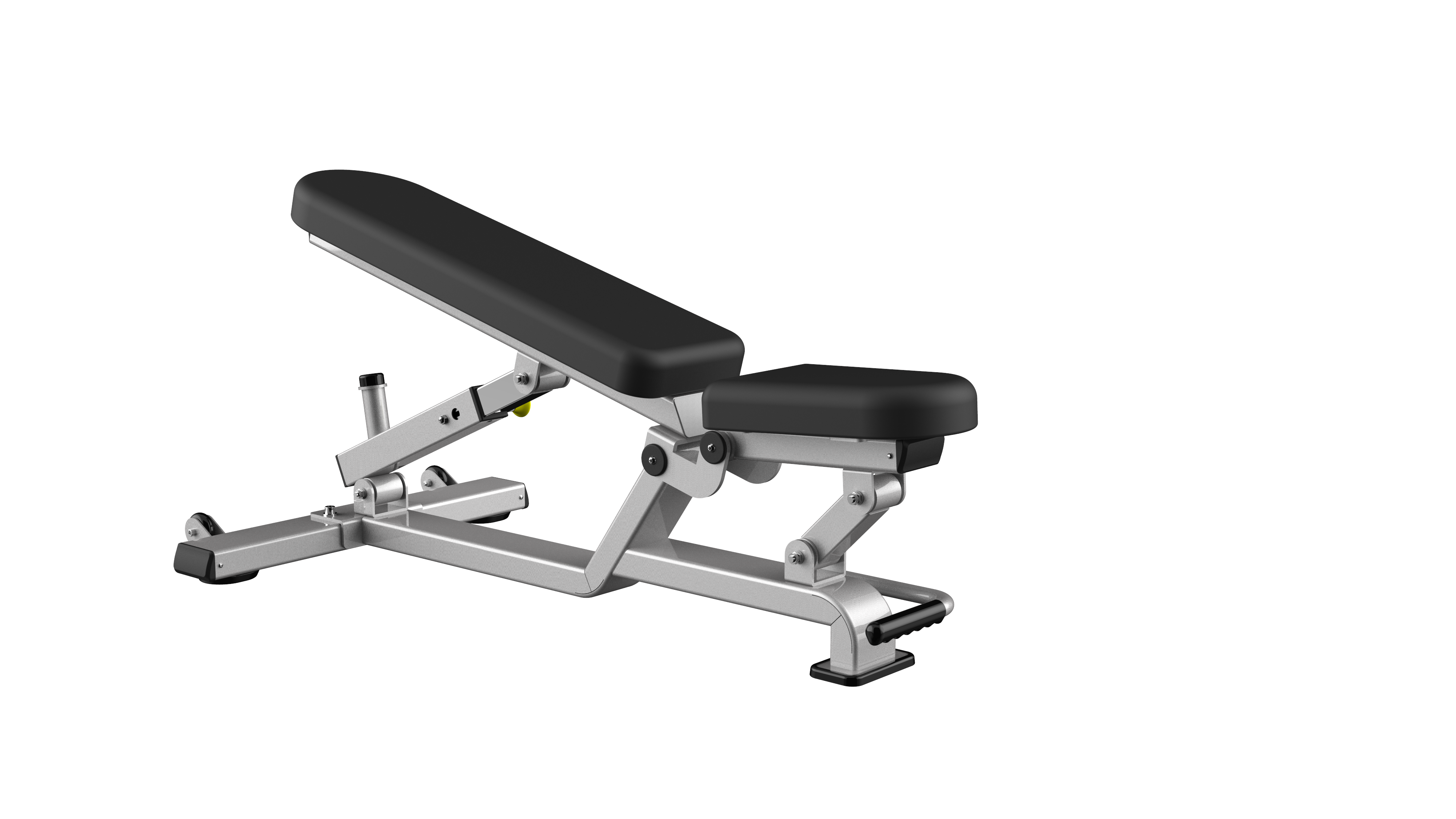
For a 200 sq ft gym, two solid mid-tier commercial treadmills may be more sensible than a flagship treadmill, with savings allocated to a functional trainer and bench. A TH037 adjustable bench next to a TH005 cable crossover provides a broad range of exercises from two pieces of equipment. Value per square foot is generally more relevant than brand prestige in a hotel gym.
Bottom line
Match the treadmill to the actual duty cycle, plan the room layout before purchase, and invest in one strong multi-station plus a functional trainer. This combination supports practical use and exercise variety.