

Gym Business Plan Template
A Concise Gym Startup Checklist for First-Time Operators
Opening a gym requires significant capital and has a long path to profitability. The following decisions should be addressed in order.
1. Site Selection
Square footage, ceiling height, parking, and foot traffic determine the business model. A 3,000 sq ft strength gym differs from a 12,000 sq ft full-service club.
Consider 12–14 ft ceilings for overhead rigs or squat racks.
Check floor load capacity for plate-loaded equipment.
Use a lease with a build-out clause and at least a 5-year term with options.
Confirm zoning allows commercial fitness use before signing.
2. Year-One Budget
Budget 6–12 months of fixed costs—rent, payroll, and utilities—before opening. Equipment is a one-time cost; cash flow is the main risk.
Leasehold improvements: 15–30% of total startup budget.
Equipment: largest single line item, but negotiable.
Staffing: trainers, front desk, cleaning, maintenance.
Marketing: pre-sale campaigns need their own line.
Insurance, licensing, software, and POS setup.
3. Equipment Procurement
Buy core pieces covering major movement patterns, not 40 machines on day one. Chinese commercial manufacturers can offer ex-factory pricing that rivals legacy brands, allowing more machines per budget.
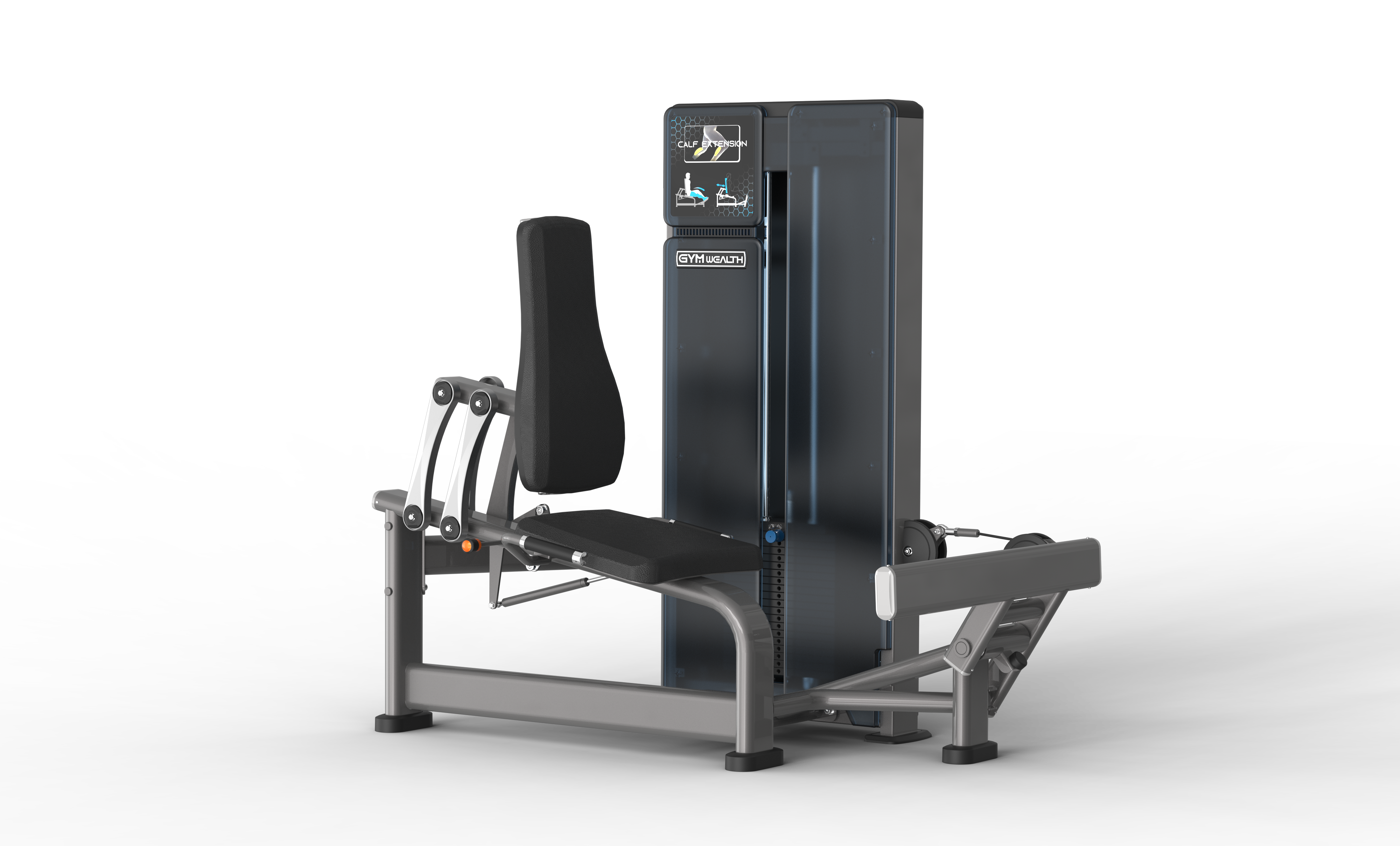
Lower body: GW017 CALF EXTENSION, GW019 OUTER THIGH ABDUCTOR.
Upper body: NT001 VERTICAL CHEST PRESS, ST012C LAT PULL DOWN.
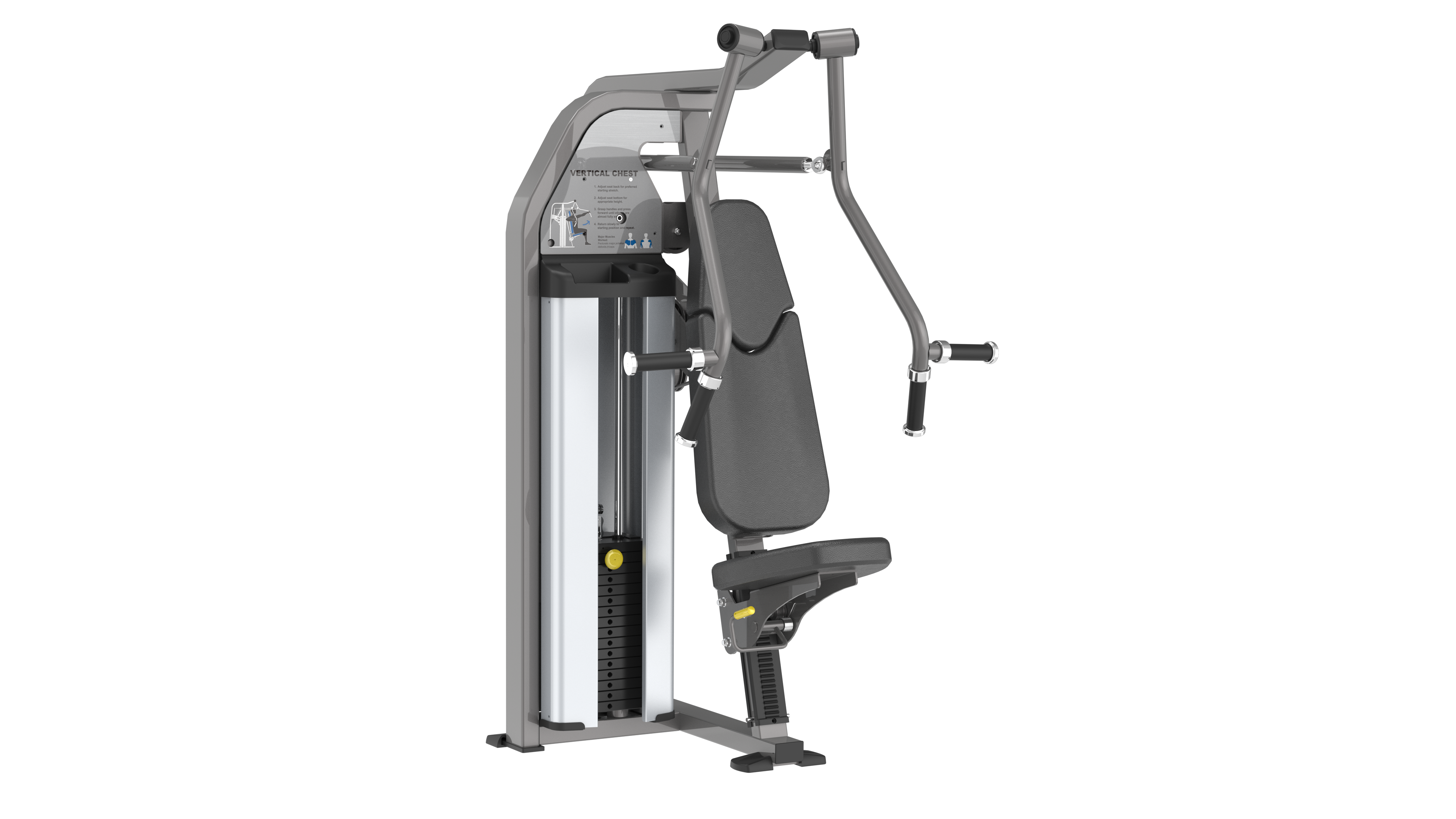
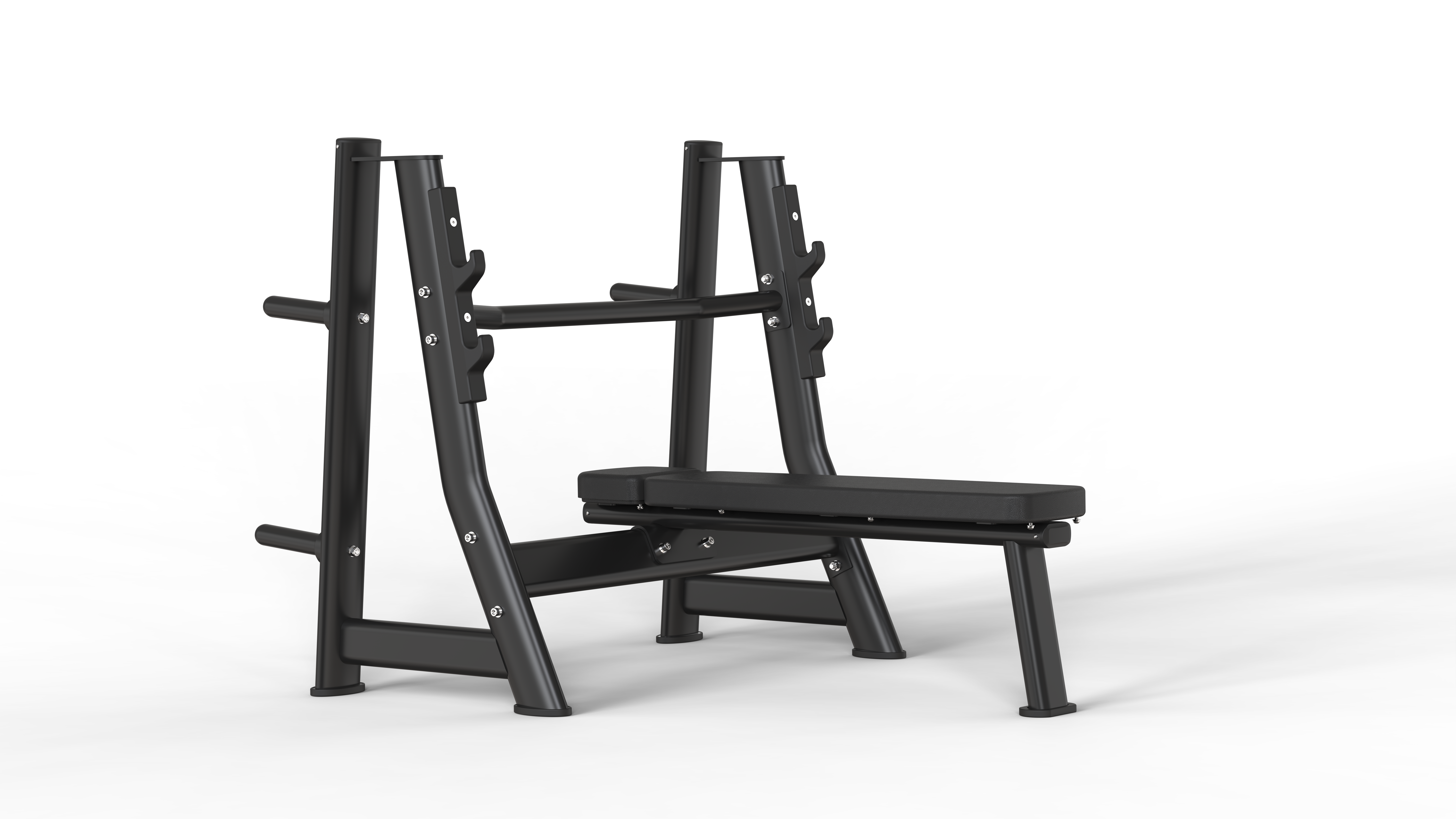
Plate-loaded/free weights: ZH023 OLYMPIC WEIGHT BENCH, TH037 ADJUSTABLE BENCH, ZH020 SMITH MACHINE.
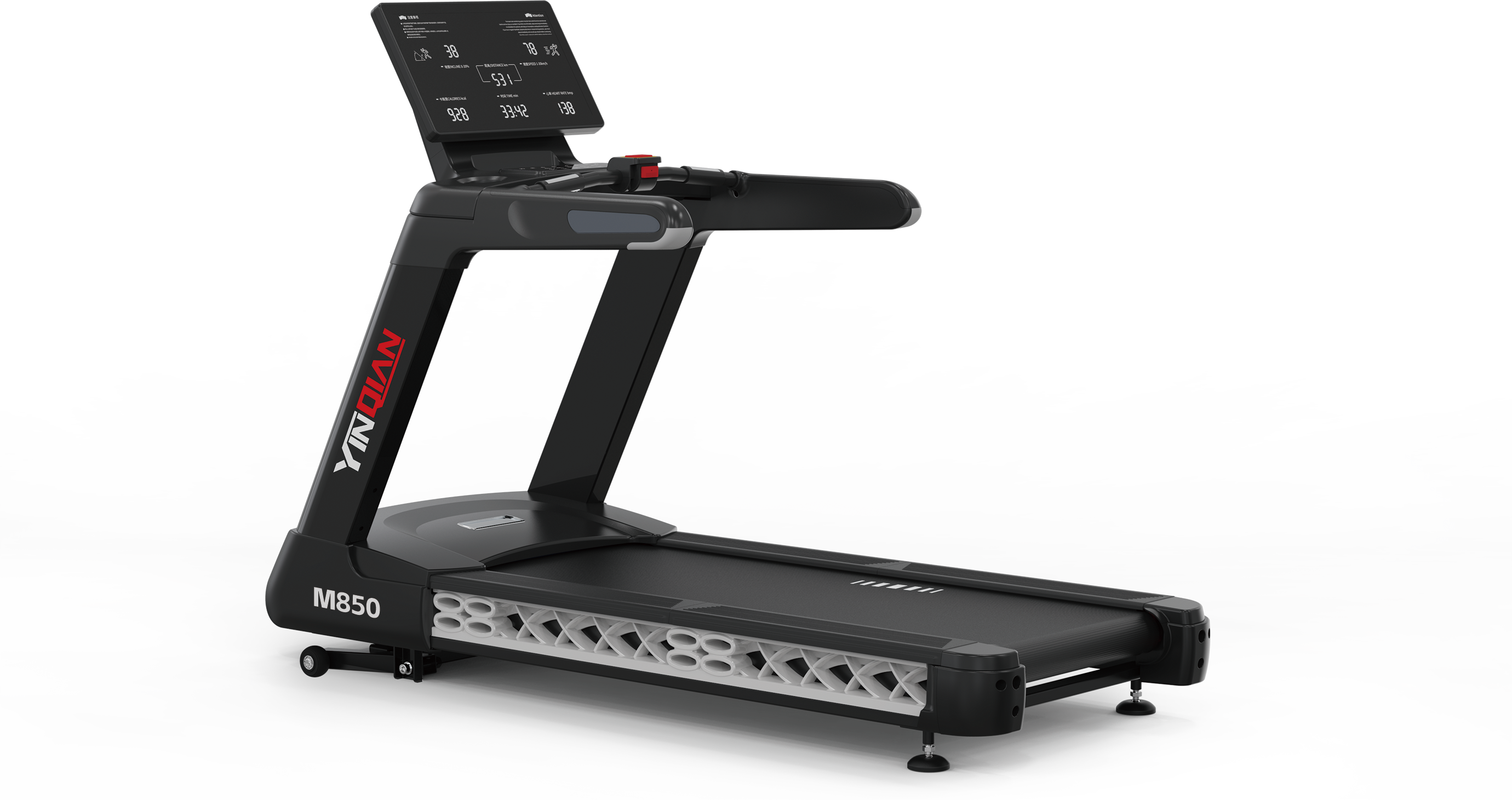
Cardio: M850I-LED COMMERCIAL TREADMILL.
Functional/glute: XVD-040 HIP THRUST, ZH005 FUNCTIONAL TRAINER.
Storage: TH030 DUMBBELL RACK.
Ex-factory direct suppliers such as Gym-wealth offer selectorized, plate-loaded, cardio, and free weight benches at wholesale pricing with aftersales support. This can help fill a 5,000 sq ft floor without tripling the equipment budget.
4. Staffing
Start with one certified head trainer and one front desk person. Add group fitness instructors only after paid classes prove demand.
Trainers should be certified (NASM, ACE, or equivalent) and insured.
Use commission-based trainer pay to keep fixed costs low.
Outsource cleaning and equipment maintenance until volume justifies in-house.
5. Operations
Membership software, access control, and a maintenance log are essential. Commercial machines need monthly inspection. Build retention through structured onboarding, not discounts.
Track KPIs early: cost per lead, member acquisition cost, average member tenure, and monthly churn. Review weekly for the first six months.
Getting site, budget, equipment, staff, and operations right reduces the risk of first-year closure.