

Gym marketing for beginners
Gym Marketing for Beginners: What I Tell First-Time Gym Owners Before They Spend a Dollar
Opening a gym is exciting. It's also a grind. I've watched dozens of first-timers jump in, and the ones who last do the boring stuff right before they ever sell a membership. Here's the real checklist.
1. Site Selection: Members Won't Drive 20 Minutes
Here's the thing about buying factory-direct: you're not paying for a showroom, a dealer's rep, or somebody's warehouse lease. We build it, we ship it, and that gap is usually 20–35% off what a distributor quotes you for the same spec sheet. I've seen clients walk in with a middleman's quote, we matched it line by line, and the number dropped enough to cover a second squat rack and a full rubber floor. So what does that mean for your budget? It means you're not choosing between equipment and everything else — you can fund both.
Foot traffic matters, but so does the parking lot. A 4,000 sq ft space with 15 parking spots beats 6,000 sq ft with 5. Check zoning, ceiling height (min 10 ft for platforms), and floor load capacity — plate-loaded racks are heavy.
Look at your competition density. If there are three gyms within a half-mile, ask why. Niche down or walk away.
2. Budgeting: The Number That Kills Startups
Your equipment budget is not your total budget. First-timers blow 70% on machines and have nothing left for signage, POS, or three months of rent reserves. Rule of thumb: equipment should be 45–50% of your total startup capital.
Factor in:
Leasehold improvements and flooring (rubber is not cheap)
HVAC, because thirty people sweating through a 45-minute class will punish your system harder than anything your contractor's load calc accounted for
Insurance and licensing
Six months of operating runway
Sourcing direct from a manufacturer like Gym-wealth cuts the middleman markup significantly. Ex-factory pricing on commercial-grade equipment means more budget for the rest of your buildout.
3. Equipment Procurement: What to Buy First
Don't buy 30 machines on day one. A solid starter floor at 3,000 sq ft looks like this:
Cardio: Start with commercial treadmills and indoor bikes. The MD01 INDOOR BIKE
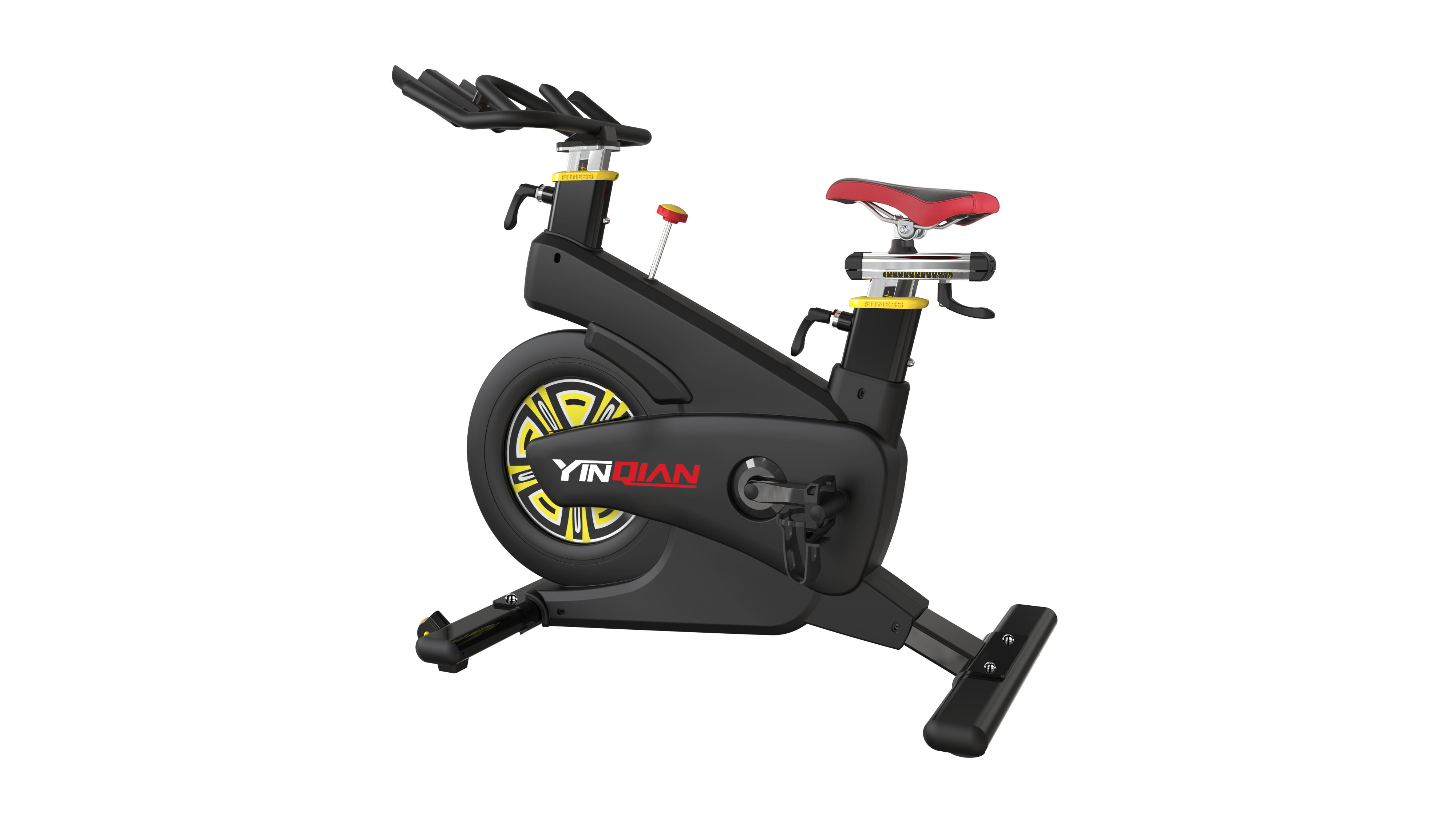
handles spin classes and solo riders without breaking your floor plan.
Strength (plate-loaded): These move faster than selectorized units because lifters trust them. Prioritize a XVD-018 RELOADED ISO FLAT PRESS a XVD-042 PENDULUM SQUAT, and a SF90 015 LEG PRESS. Add a PT004 SUPER ROWING or PT004B SUPER ROWING CIRCULAR for the back day crowd.
Selectorized: Cover the basics. A LY012 LAT PULLDOWN, BST03 SEATED AND HORIZONTAL SHOULDER PRESS, and SF90 013A HORIZONTAL LEG CURL hit 80% of member needs. Multi-stations like the TH59B 5 STATION or TH49D 4 STATION save floor space when you're tight.
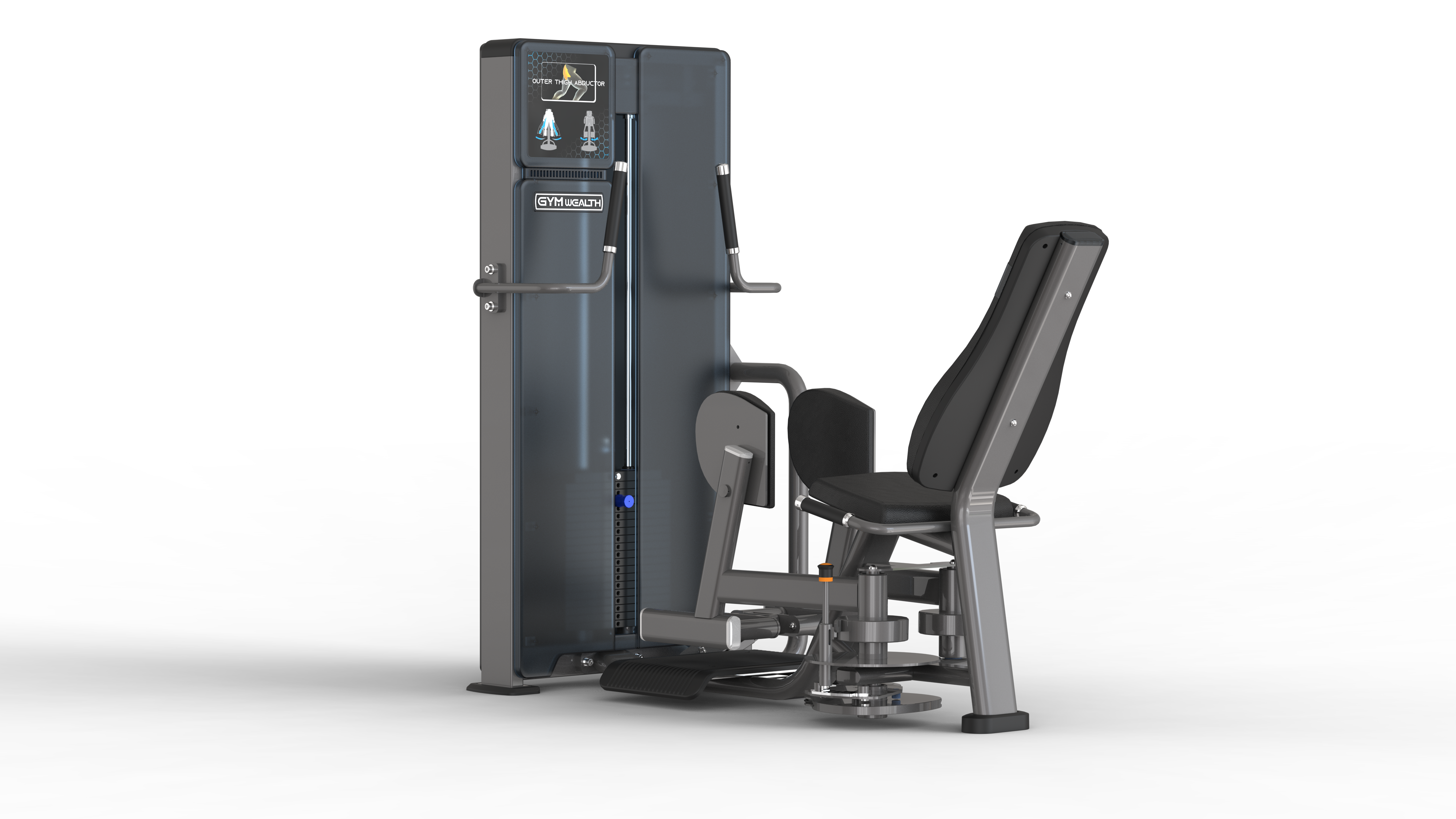
Free weights: Don't skip benches. A ZH036 FLAT BENCH, ZH023A OLYMPIC WEIGHT BENCH, and ZH027 VERTICAL KNEE RAISE round out the core. Add a GW019 OUTER THIGH ABDUCTOR if your market skews female.
Buy from a supplier that offers aftersales support. Equipment breaks. You need parts, not excuses.
4. Staffing: Hire for Retention, Not Just Certifications
Your front desk person is your first impression. Your trainers drive revenue. A common mistake: over-hiring certified trainers who can't sell. One sales-savvy trainer beats three with binders full of certifications.
Start with:
1 general manager (can be you)
2–3 part-time front desk staff
2–4 trainers on commission
1 cleaner (daily, not weekly)
Budget 25–35% of revenue for payroll. If you're under 20%, you're understaffed.
5. Operations: The Unsexy Stuff That Keeps You Open
Marketing gets members. Operations keep them. Track these from day one:
Check-in frequency: Members who come less than 4x/month cancel within 90 days.
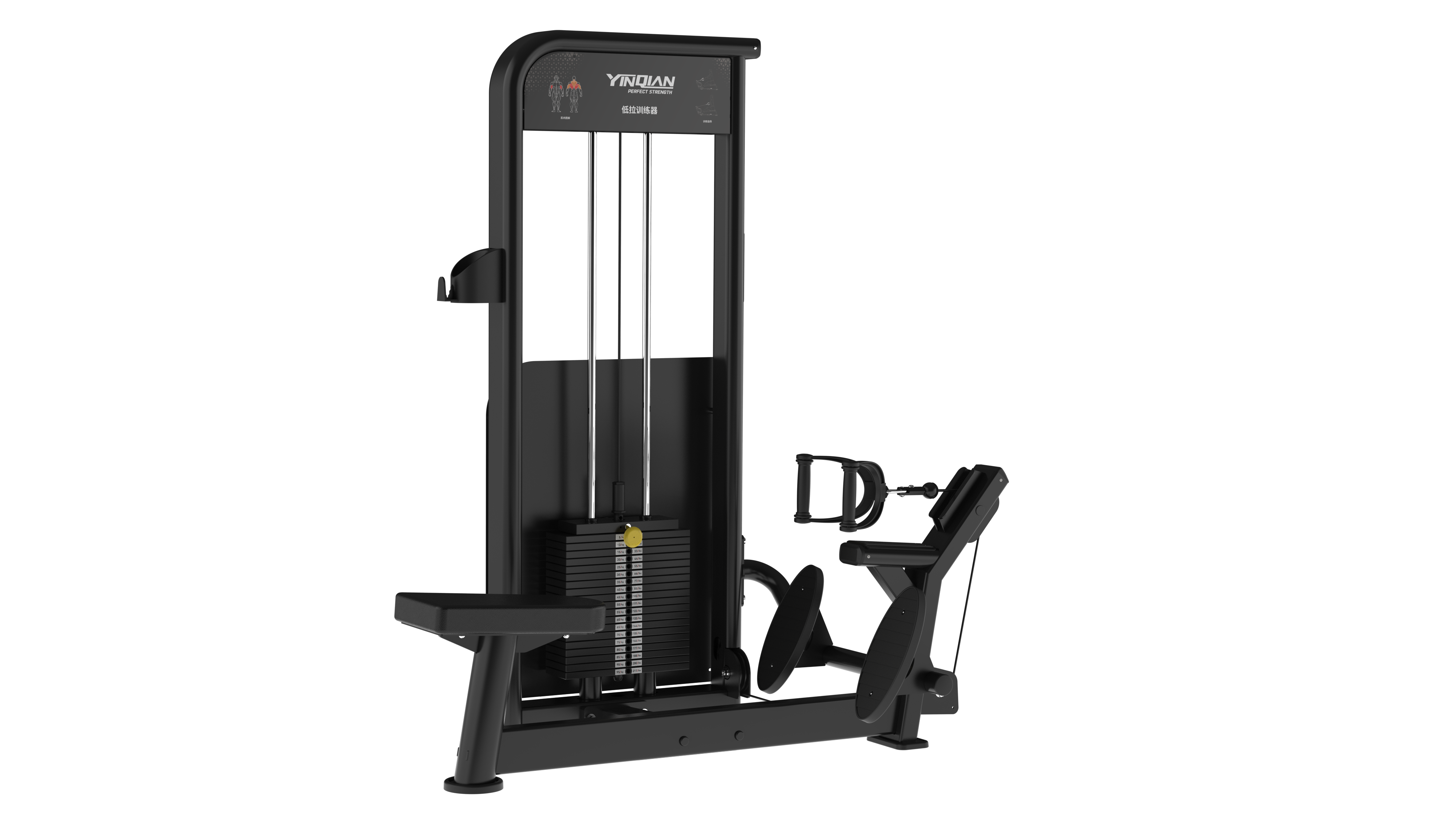
Equipment downtime: A broken LY012A SEATED HORIZONTAL PULLEY sitting idle for a week tells members you don't care.
Class attendance: Kill any class under 6 people after 30 days.
Get a POS system that ties into your access control. Know who's in your building and when.
Final Word
The gyms that survive year one aren't the flashiest. They're the ones that picked a good location, didn't overspend on equipment, hired people who care, and showed up every day. Marketing starts after that foundation is solid.