

How Long Does Gym Equipment Last
Commercial Gym Equipment Lifespan
Commercial gym equipment lifespan depends on equipment type, build quality, usage volume, and maintenance. Typical ranges for quality commercial-grade equipment:
Cardio machines: 5–8 years in 24/7 facilities; longer in smaller clubs.
Selectorized strength machines: 8–12 years.
Plate-loaded machines: 10–15 years.
Benches and racks: 10–20 years, sometimes longer.
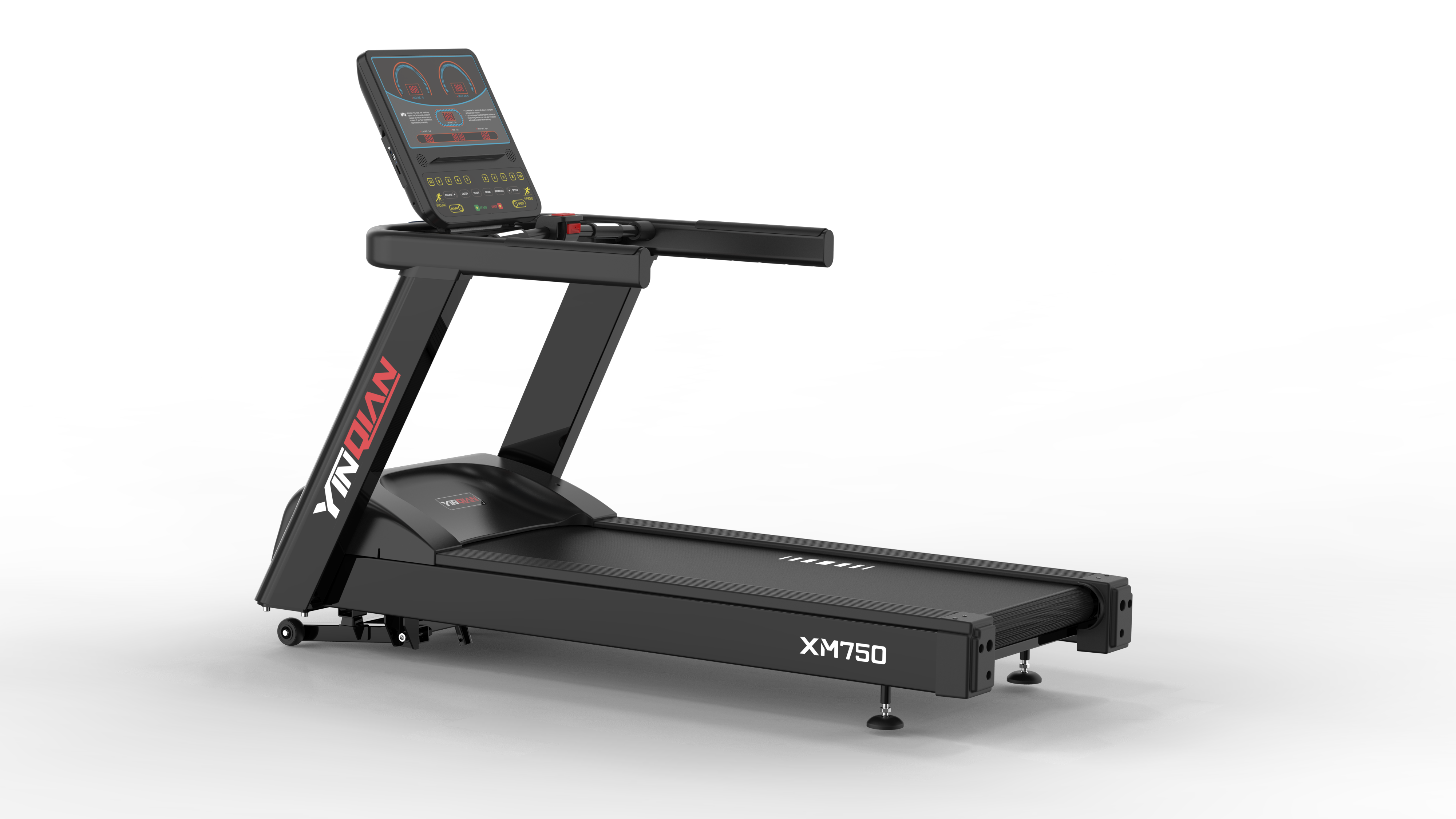
Budget commercial and true commercial-grade equipment differ significantly. A cheap treadmill may last about 3 years in a busy gym. A commercial unit such as XM750 COMMERCIAL TREADMILL is designed for heavy daily use and longer intervals between motor replacements.
Brand and Build Quality
Frame gauge, bearing quality, cable construction, and upholstery density determine whether a machine fails in year four or lasts a decade. A plate-loaded unit such as NHM12 V-SQUAT has few failure points: heavy steel, solid pivots, no motor, and no electronics. A motorized treadmill includes circuit boards and belts. Simpler machines generally last longer.

After-Sales Support
After-sales support is often overlooked during quoting but becomes critical when equipment fails. Buyers should ask who to contact, how quickly support responds, and whether replacement pads, bearings, and cables are available without delay. Poor support can leave machines out of service.
Factors That Accelerate Wear
No maintenance schedule for cables, belts, and bolts.
Overloading machines beyond rated capacity.
Ignoring worn upholstery until padding is destroyed.
Longest-Lasting Machines
Plate-loaded and free-weight equipment lasts longest due to fewer moving parts. XVD-030 SUPER SQUAT, XVD-045 HACK SQUAT, and XVD-024 RELOADED VERTICAL LEG PRESS use thick steel and heavy-duty pivots; 10+ years is normal with basic upkeep. Selectorized machines with good cables and pulleys, such as ST015 LEG PRESS or MTS007 ISO-LATERAL TRICEPS EXTENSION, can also exceed 10 years if cables are replaced before failure. Functional trainers and cable machines wear faster. ZH005A FUNCTIONAL TRAINER and LY012A SEATED HORIZONTAL PULLEY require cable inspections every 60–90 days in busy clubs.

Usage Volume
A machine used 50 times per day wears roughly four times faster than one used a dozen times per day. High-traffic pieces such as PT020 VERTICAL LEG PRESS age first. In a 2,000-member gym, a PT020 VERTICAL LEG PRESS will need pivot and upholstery work years before a ZH028 WEB BOARD in a boutique studio. 24/7 big-box gyms should expect the low end of lifespan ranges; standard commercial clubs, mid-range; boutique or corporate gyms, equipment often outlasts the range.

Extending Equipment Life
Maintenance is essential. Clubs that skip it may replace equipment two to three years early.
Inspect cables and belts monthly.
Lubricate guide rods and pivots quarterly.
Tighten frame bolts every 90 days.
Rotate cardio machines to spread wear.
Repair upholstery as soon as it cracks.
Suppliers with real after-sales support and stocked replacement cables, pads, and bearings help keep machines running.
Repair vs. Replace
If annual repair costs exceed 30–40% of replacement cost and downtime harms member experience, replacement is usually justified. Frame cracks, bent pivot arms, and dead electronic consoles on cardio equipment are typical replacement triggers. Simple strength machines can often be repaired almost indefinitely because they have few failure points.
Bottom Line
Commercial gym equipment lasts 5–15 years depending on type, build quality, traffic, and maintenance. Plate-loaded and free-weight gear lasts longest. Cardio machines and cable stations require the most attention. Buying commercial-grade equipment from the start and maintaining it on a schedule extends service life.