

How to Choose a Commercial Treadmill That Won't Die in 18 Months
How to Choose a Commercial Treadmill That Won't Die in 18 Months
Buying a commercial treadmill is a long-term investment, not a shopping spree. The difference between a unit that lasts five years and one that fails at month eight often comes down to specs you can't see on the sales floor. You're not buying for yourself; you're buying for the 300-pound member who runs daily and the beginner who shuffles for ten minutes.
Here's what actually matters when you're comparing models and writing that PO.
Motor Power: The Non-Negotiable Spec
For commercial use, you need a continuous duty motor rated at 3.0 HP or higher.
Check the motor's duty rating, not just the peak HP. Continuous duty means the motor can run indefinitely without overheating. That's your baseline. Look for AC motors over DC if your budget allows—they're built for the long haul.
What About the Drive System?
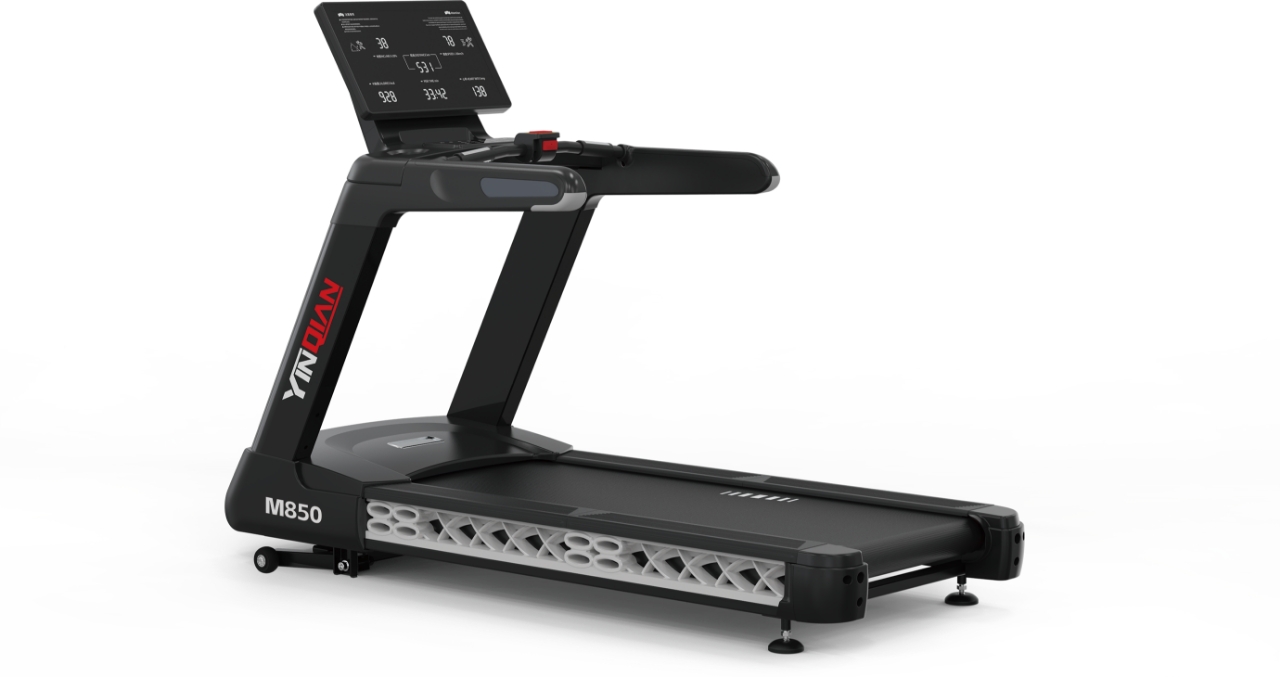
The drive system transfers power from the motor to the belt. You want a low-friction, low-maintenance system. Many commercial models, like the M850-TFT, use precision bearings and balanced flywheels to reduce wear. Ask your supplier what the drive system is made of. Brass or sealed bearings beat plastic bushings every time.

Deck and Cushioning: Protecting Joints and the Frame
The deck takes the most abuse. A commercial treadmill needs a thick deck—at least 1 inch—to distribute impact and prevent cracking. Look for reversible decks; you flip them once the top surface wears out, effectively doubling the deck's life.
Cushioning is about member comfort, but it's also about frame integrity. Good cushioning reduces shock to the machine's frame, not just the runner's knees. The M850I-TFT
model focuses on this balance—firm enough for sprints, soft enough for recovery runs.
Belt Size and Tracking
Belt width matters. A 20-inch wide belt is standard, but 22 inches is better for your taller or heavier members. Length should be at least 55 inches for walking; 60 inches is safer for running strides.
Tracking is a maintenance headache if done poorly. You want a belt that self-centers with minimal adjustment. Look for a crowned front roller and adjustable rear roller. It's a small detail that saves your staff hours of fiddling.
Console and User Experience
Your members interact with the console daily. A confusing screen turns them off. Decide between an LED or TFT screen based on your gym's vibe. LED is tough and reliable; TFT offers video and app integration for a premium feel.
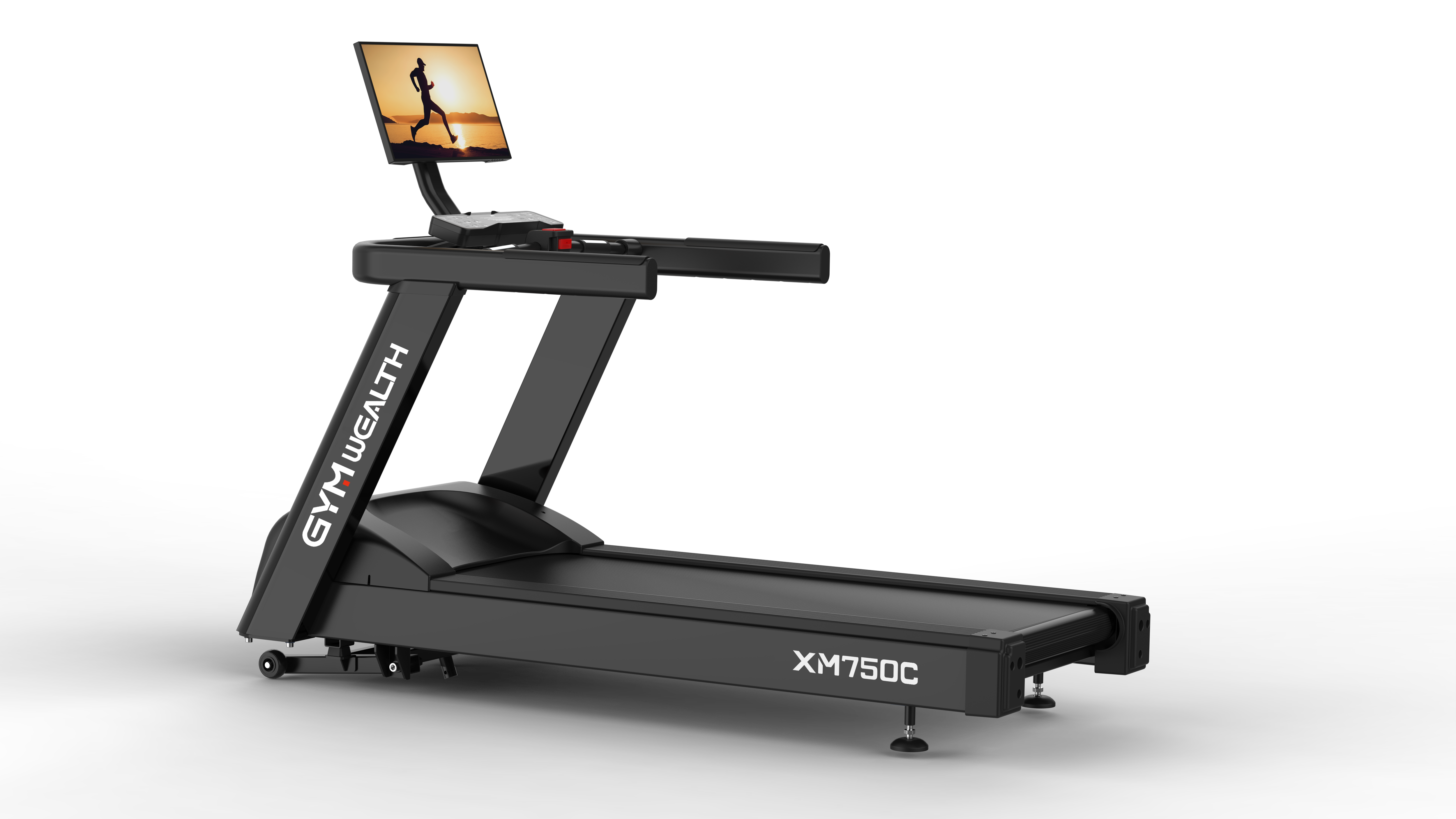
The XM750T with screen projection keeps things simple: mirror your phone, stream a workout, and keep the interface intuitive. Don't overcomplicate it. If members can't figure out how to start a run in five seconds, they'll complain.
Programs and Connectivity
Pre-set programs are table stakes. Bluetooth and Wi-Fi are now expected. But ask yourself—do you need 50 built-in workouts? Most members use manual mode or a handful of favorites. Focus on connectivity stability over flashy features.
Frame Construction and Weight Capacity
Commercial treadmills are heavy for a reason. A solid steel frame weighing 400+ lbs with a 400 lb user capacity is your target. Lighter machines wobble at speed, which is dangerous and makes the equipment feel cheap.
Check the welds and powder coating. You're looking for durability against sweat corrosion. Ask about the warranty on the frame—a lifetime warranty on the frame is a good sign, though not always a guarantee of quality.
Maintenance and Service: The Hidden Cost
Every treadmill needs maintenance. The question is how much and how often. Look for:
· Self-lubricating belts to reduce upkeep.
· Accessible panels for easy motor and roller access.
· Replacement parts availability. Can you get a belt or board in a week, or are you waiting a month?
When you source from a direct manufacturer like Gym-wealth, you often get ex-factory pricing and direct parts support. That's a huge advantage over buying through a middleman who marks up every replacement part.
Warranty and After-Sales Support
Don't just read the warranty length—read what's covered. A 5-year parts warranty is useless if it doesn't cover the motor or deck. Coverage on labor matters too, especially if you're not local to the supplier.
Ask about their service network. Who fixes it if something breaks? Some brands offer remote diagnostics; others require you to find a local tech. Get this in writing before you sign.
Comparing Options: What's Right for Your Facility?
A boutique studio might prefer the sleek M850I-LED for its clean look and easy-to-use interface. A high-traffic commercial gym should lean toward the XM750 for its robust frame and projection screen capabilities.
Buying equipment is about matching the tool to the job. There's no one-size-fits-all answer. Your decision hinges on member volume, your budget for maintenance, and the experience you want to deliver.
Final Advice: Look Past the Shiny Console
The treadmill is the workhorse of your cardio floor. It gets used more than any other machine. So the motor, frame, and deck deserve more of your attention than the screen size. Do your due diligence on the specs that impact longevity.
And if you talk to a supplier that can't answer basic questions about bearing quality or belt thickness, walk away. They don't know their product well enough to support you after the sale.
Your members don't care about the motor's brand, but they do care if the belt stops suddenly at 8 mph. Build your gym's reputation on machines that keep running.