

How to Choose Commercial Strength Equipment for Your Gym
A practical framework for building a balanced, space-efficient and serviceable strength area
he best equipment list is not the longest one. It is the one that matches the facility's users, training goals, floor plan, operating model and service requirements.
Choosing commercial strength equipment is a long-term project decision. The machines must support the people who will actually use the facility, fit the available space, create a logical training flow and remain practical for staff to inspect and maintain. Appearance and price matter, but neither should replace a structured evaluation of product function, specifications and project fit.
This guide explains how gym owners, distributors, developers and procurement teams can build a useful equipment mix without relying on arbitrary ratios or unsupported performance claims.
1. Begin With the Facility and Its Users
Before comparing individual models, define the type of facility you are building. A full-service commercial club, a strength-focused gym, a hotel fitness room and a corporate wellness center do not need the same product mix. Member experience, expected training style, supervision level and available floor area should guide the first selection.
· General commercial gyms: prioritize intuitive adjustments, balanced full-body coverage and equipment that can serve users with different experience levels.
· Strength-focused facilities: may allocate more space to plate-loaded machines, racks, benches and free-weight support equipment.
· Hotels and compact fitness rooms: benefit from versatile cable systems, multi-stations and carefully selected essentials that provide more training options within a limited footprint.
· Studios and specialist clubs: should select equipment around their coaching method and the movements included in their programs, rather than trying to reproduce a large general-purpose gym.
A useful brief should also identify the intended user group, peak occupancy, staffing model, accessibility needs and future expansion plan. These details make the equipment proposal more accurate and reduce unnecessary purchases.
2. Build the Right Mix of Equipment Types
Selectorized Strength Equipment
Selectorized machines allow users to change resistance with a weight-stack pin. Their straightforward setup can support efficient member turnover and make them suitable for general fitness areas. When comparing models, review the movement path, starting position, seat and pad adjustments, exercise instructions, weight-stack configuration and service access. These details should be checked on the specification sheet for the exact model under consideration.
Gym-wealth selectorized examples include GW006 BICEP CURL, ST001B CHEST PRESS, ST012C LAT PULL DOWN, MTS012C ISO-LATERAL HIGH ROW.

Plate-Loaded Strength Equipment
Plate-loaded machines are often selected for dedicated strength zones and facilities serving experienced users. They allow the operator to organize resistance plates around the training area and can complement racks and free weights. Selection should be based on the intended movement, loading method, storage requirements, entry and exit position, adjustment range and the space required for safe circulation around the machine.
For lower-body strength areas, one available example is the PT015A SUPER LEG PRESS 45°.

Functional Trainers and Multi-Stations
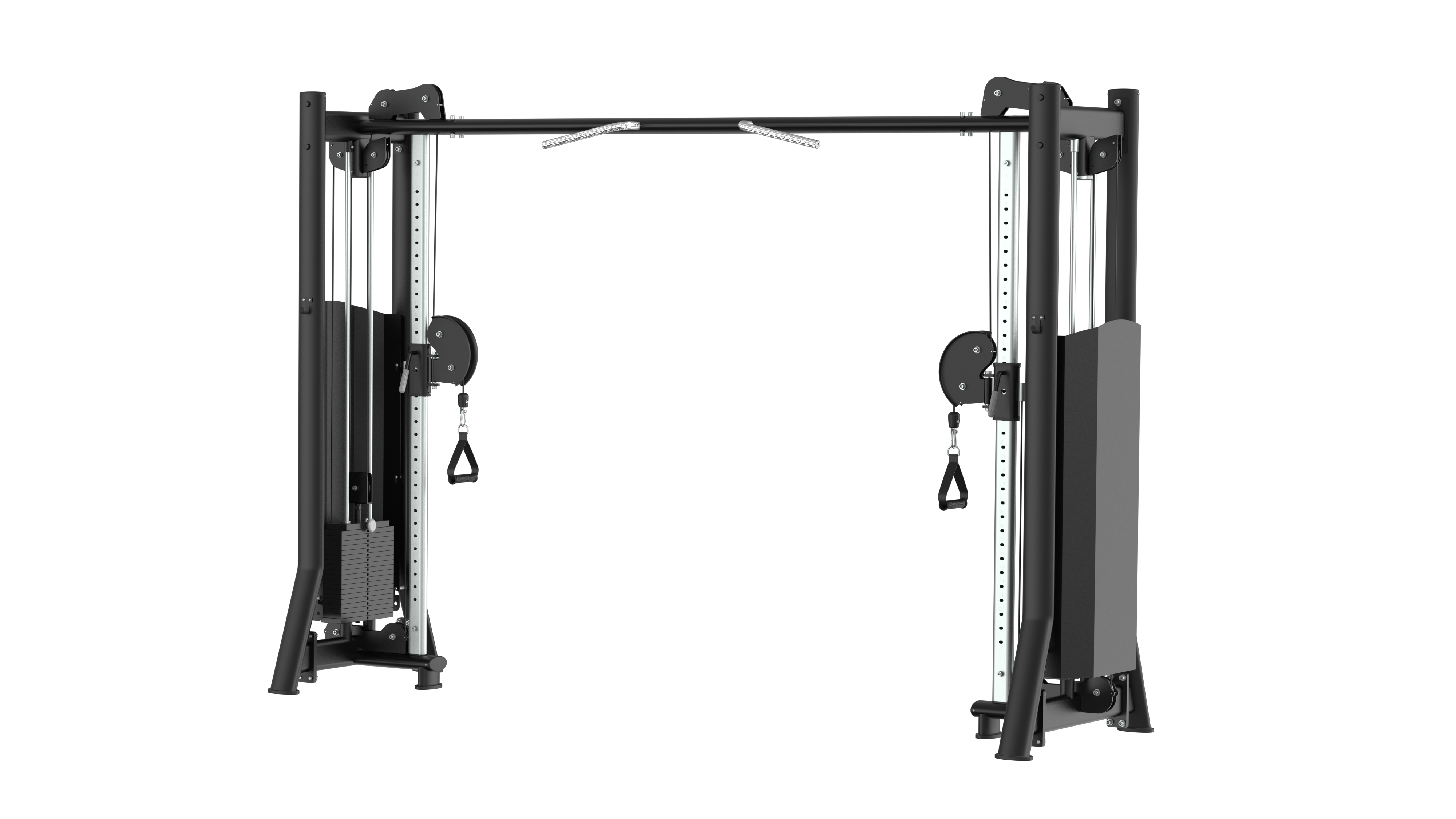
Cable-based functional trainers and multi-station systems can consolidate several training positions into a coordinated zone. They can be useful where exercise variety, simultaneous use or space planning is a priority. Buyers should still confirm the assembled dimensions, user clearances, cable configuration, available attachments and delivery route before placing an order.
Gym-wealth options in this category include the ZH005 FUNCTIONAL TRAINER, TH59B 5 STATION, TH16 PRO 16 STATION.
Benches, Racks and Support Equipment
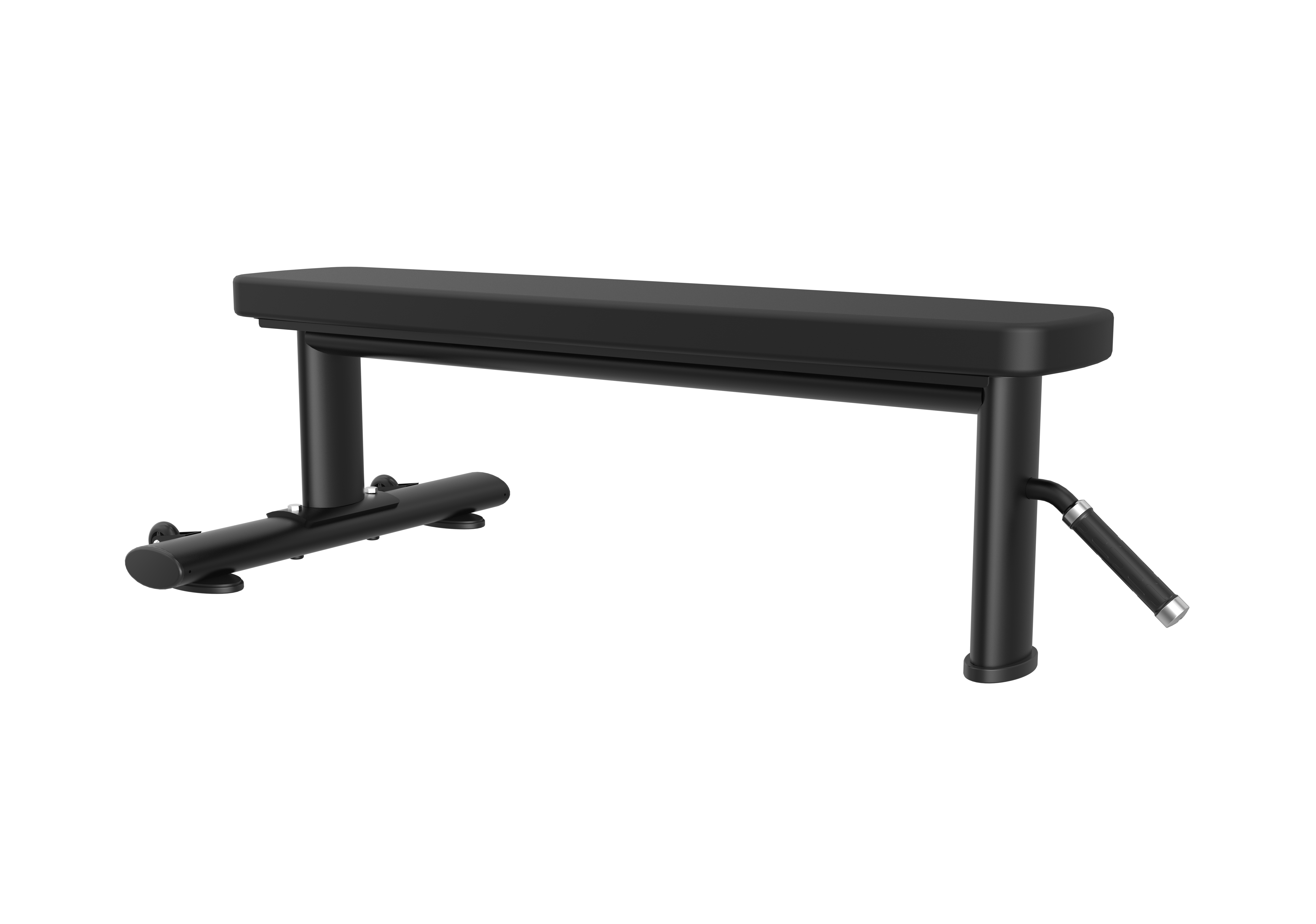
Benches and racks connect the machine area with free-weight training. Their placement should account for bar movement, spotter access, plate storage and circulation. A complete plan should also include dumbbell racks, storage points and suitable flooring so that loose equipment does not interrupt traffic flow.
The Gym-wealth bench and rack range includes products such as the ZH036 FLAT BENCH, TH030 DUMBBELL RACK.
3. Cover the Main Movement Patterns
A balanced strength area should support the movements that matter to the facility's training programs. Rather than buying several machines for one body part and leaving another area under-served, map each proposed model to a clear purpose.
· Push: horizontal and vertical pressing options for the chest, shoulders and triceps.
· Pull: vertical pulling and horizontal rowing options for the back and arms.
· Lower body: squat or press patterns, knee extension, knee flexion and other project-appropriate lower-body movements.
· Free-weight and functional work: racks, benches and cable stations that support a broader range of training plans.
· Core and accessory work: selected only after the main training needs are covered.
For each movement, consider whether the facility needs an approachable selectorized option, a plate-loaded option for a dedicated strength zone, or both. The correct answer depends on the project; a universal percentage split is rarely useful.
4. Let the Floor Plan Shape the Order
Equipment selection and layout planning should happen together. Product dimensions alone do not show the full operational footprint. Users need room to enter, adjust, train and leave the machine, while staff need access for cleaning and routine inspection.
· Confirm the delivery path: door widths, lifts, stairs, corridors, loading access and any fixed obstacles.
· Review the room: ceiling height, columns, windows, mirrors, power locations, ventilation and designated circulation routes.
· Plan the training flow: group compatible equipment, separate busy free-weight activity from quieter machine zones where appropriate, and avoid creating bottlenecks.
· Include storage: allow space for plates, attachments, dumbbells and small accessories instead of treating storage as an afterthought.
· Use the exact model drawings: final decisions should be based on current product dimensions and configuration information supplied for the order.
5. Evaluate Durability With Model-Specific Evidence
Words such as “commercial,” “heavy-duty” and “premium” are not substitutes for technical information. Specifications can vary by product series and configuration, so procurement teams should request and compare the data for each selected model.
· Frame and finish: confirm the specified material, tube profile, wall thickness where provided, welding and surface-treatment information for the exact product.
· Moving components: review cables, pulleys, bearings, bushings, guide rods and adjustment mechanisms according to the machine type.
· User contact points: inspect upholstery, grips, handles, pads, footplates and adjustment labels for comfort and practical daily use.
· Rated limits and configuration: verify user-weight limits, loading limits, weight-stack details, motor and console options, electrical requirements and included accessories where applicable.
· Warranty and service: obtain the current written terms, spare-parts process and support scope for the destination market and specific order.
· Packing and logistics: confirm packing size, gross and net weight, assembly requirements and container planning before shipment.
This evidence-based approach protects both buyer and supplier. It also prevents general statements about one machine or series from being incorrectly applied to another.
6. Standardize Where It Improves Operations
Using a coordinated product family can give the strength area a more consistent visual identity and make the user experience easier to understand. Similar adjustment logic, upholstery choices, frame colors and labeling can also simplify staff familiarization. Standardization should not mean forcing one solution into every project; it should mean choosing a coherent system while keeping the required movement coverage.
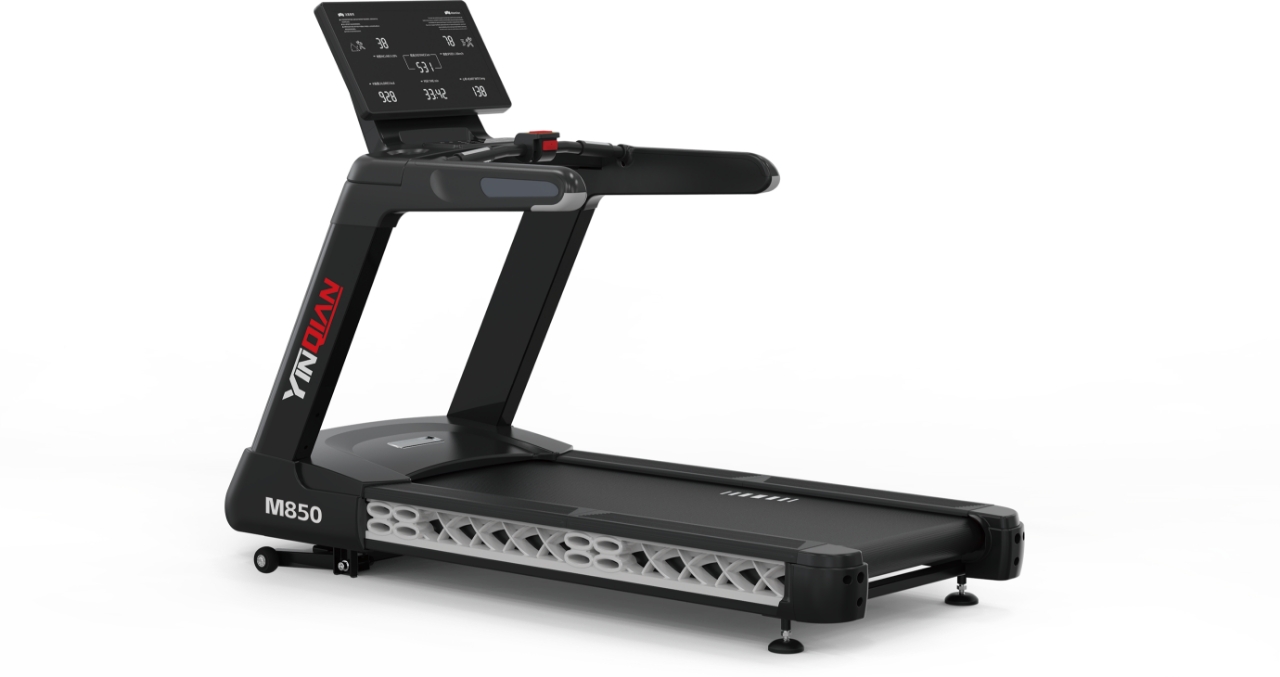
For a complete commercial facility, strength equipment also needs to work alongside cardio and support products. Gym-wealth's portfolio includes commercial treadmills, stair climbers, indoor bikes, selectorized and plate-loaded strength machines, multi-stations, benches and racks. This breadth allows project teams to discuss a coordinated equipment mix instead of sourcing each category in isolation.
For example, a strength package can be coordinated with cardio equipment such as the M850-LED COMMERCIAL TREADMILL.
7. A Practical Final Review Before Ordering
Before confirming the purchase list, complete one final review with the supplier. The goal is to make sure the commercial proposal, technical information and project plan describe the same equipment and configuration.
· Product list: model names, quantities, categories and intended training purpose.
· Technical confirmation: dimensions, selected options, colors, upholstery, weight stacks or loading method, power requirements and accessories.
· Site fit: scaled layout, operating clearances, delivery access and assembly conditions.
· Commercial terms: lead time, packing, freight responsibilities, documentation and payment terms.
· After-sales scope: warranty terms, installation guidance, spare-parts communication and the correct service contact.
Keep the approved quotation, drawings and specification documents together. If an option or specification changes, update the complete project record before production and shipment.
Why Gym-wealth
Gym-wealth is the commercial fitness equipment brand of Shandong Yinqian Fitness Equipment Co., Ltd., located in Ningjin County, Dezhou City, Shandong Province, China. The company has more than 25 years of manufacturing experience and integrates research and development, design, production and sales.
The current portfolio covers more than 200 product types across cardio, selectorized strength, plate-loaded strength, multi-stations, benches and racks. Gym-wealth products have been exported to more than 60 countries and regions. Production resources listed by the company include electrostatic spraying workshops, CNC equipment, automatic pipe-bending machines, laser-cutting equipment, welding robots, and supporting production and inspection facilities.
For gym owners, distributors and project buyers, the value of a broad manufacturing portfolio is the ability to discuss the complete facility: user profile, training mix, product selection, appearance, layout requirements, logistics and ongoing support. The final recommendation can then be matched to the real project rather than built around a generic equipment list.