

How To Choose Location For Gym
**How to Choose a Gym Location: A Concise Checklist**
Selecting the wrong site is a major cause of gym startup failure, largely because leases lock owners into multi-year obligations before revenue begins. The following checklist covers site selection through operations.
**1. Site Selection**
Prioritize drive-time and walk-time radius over rent per square foot. A 10,000 sq ft space with 3,000 apartments within a 10-minute walk is generally preferable to a cheaper industrial-park unit.
- Count households within a 3-mile radius; fewer than 8,000 is thin for a commercial gym.
- Check parking: approximately one space per 200 sq ft is workable.
- Verify ceiling height: 12 ft minimum; higher if rigs and platforms are planned.
- Observe the plaza at 6am and 7pm to understand customer flow.
- Review the lease for exclusivity clauses, CAM charges, and HVAC responsibility.
**2. Budget Beyond the Lease**
Build-out is commonly underfunded. Include flooring, mirrors, HVAC upgrades, lighting, signage, and a security deposit covering several months’ rent.
- Allocate capital across lease/build-out, equipment, six months of working capital, and marketing.
- Reserve 15–20% of the equipment budget for installation, freight, and spare parts.
- Avoid financing everything at once; a slower equipment rollout is preferable to unserviceable debt.
**3. Equipment Procurement**
Match equipment to the target member. Beginners need approachable selectorized machines; strength athletes need plate-loaded and free-weight stations. Specify commercial-grade equipment.
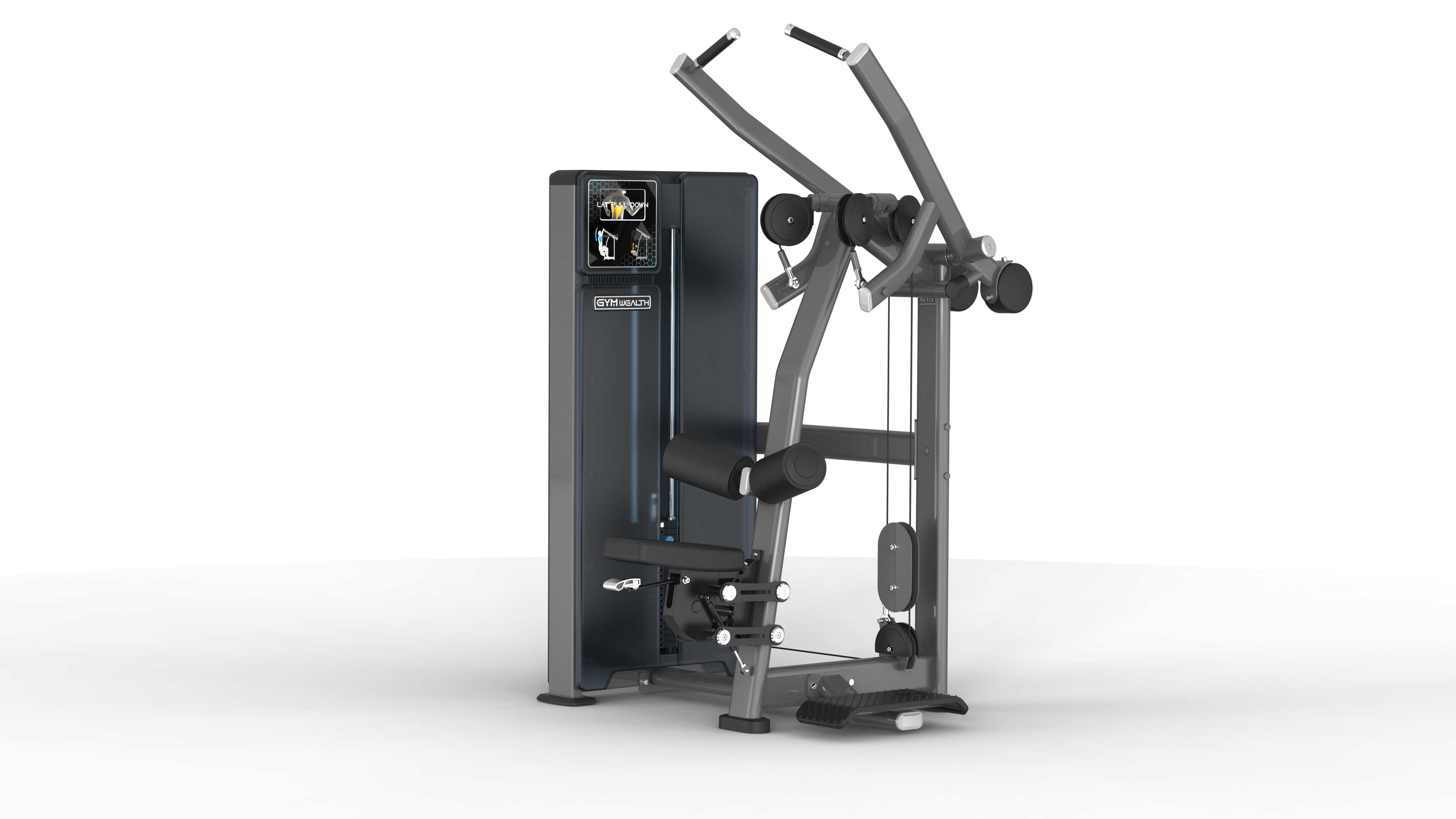
For a strength floor, a starting backbone can include a **GW012 LAT PULL DOWN**
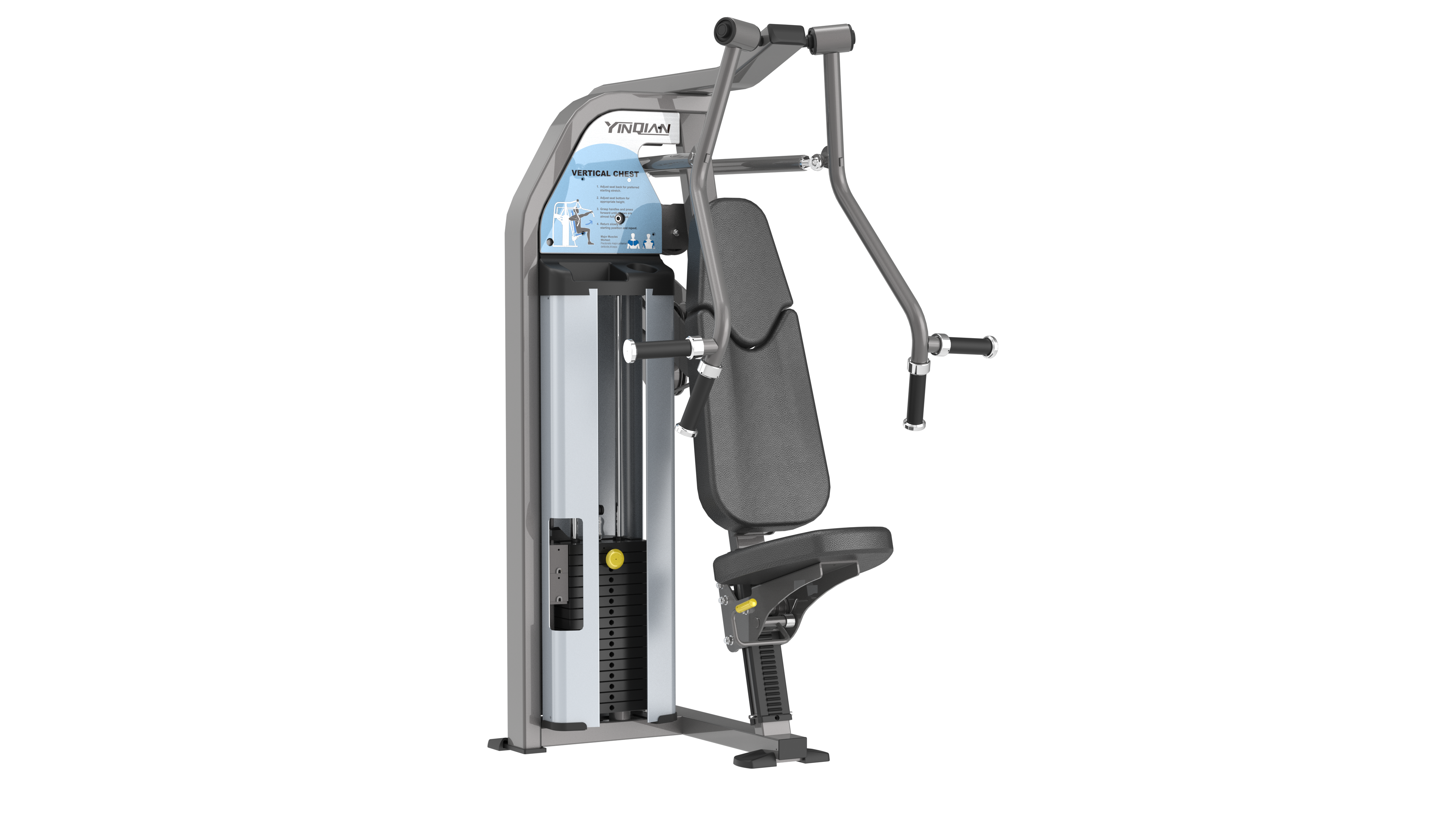
**NT001 VERTICAL CHEST PRESS**
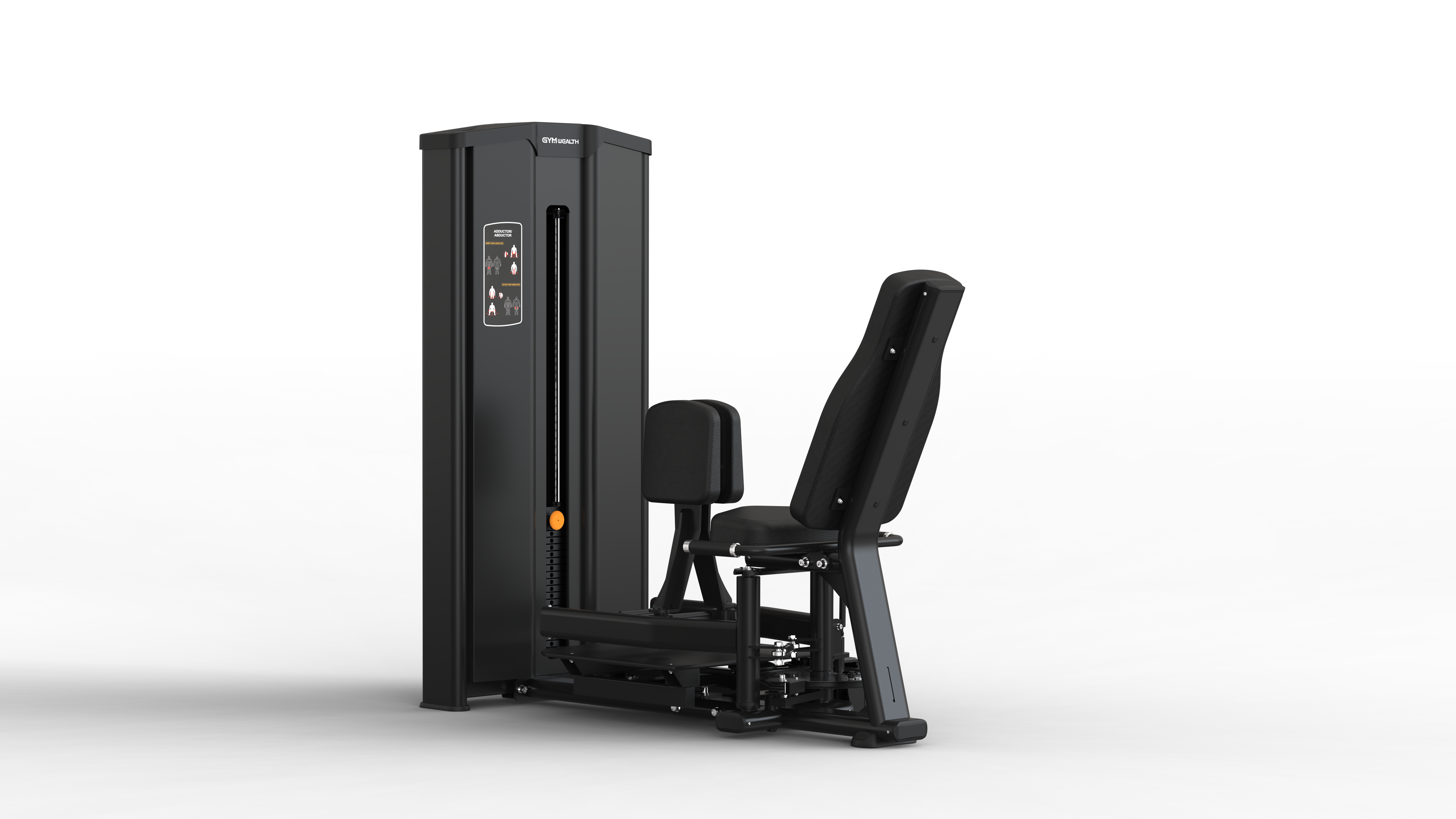
and **TH008C FREE SQUAT**. Add a **BST1314 LEG EXTENSION/LEG CURL** and **LY015 LEG PRESS** for legs. Small-muscle stations include a **BST1819 ADDUCTOR & ABDUCTOR**
**ZH026A ROMAN CHAIR**, and **BST0910 LOWER BACK/ABDOMINAL MACHINE**. Cardio requires commercial units such as an **M850I-LED COMMERCIAL TREADMILL** and **YQ02T STAIR CLIMBER CAST**.
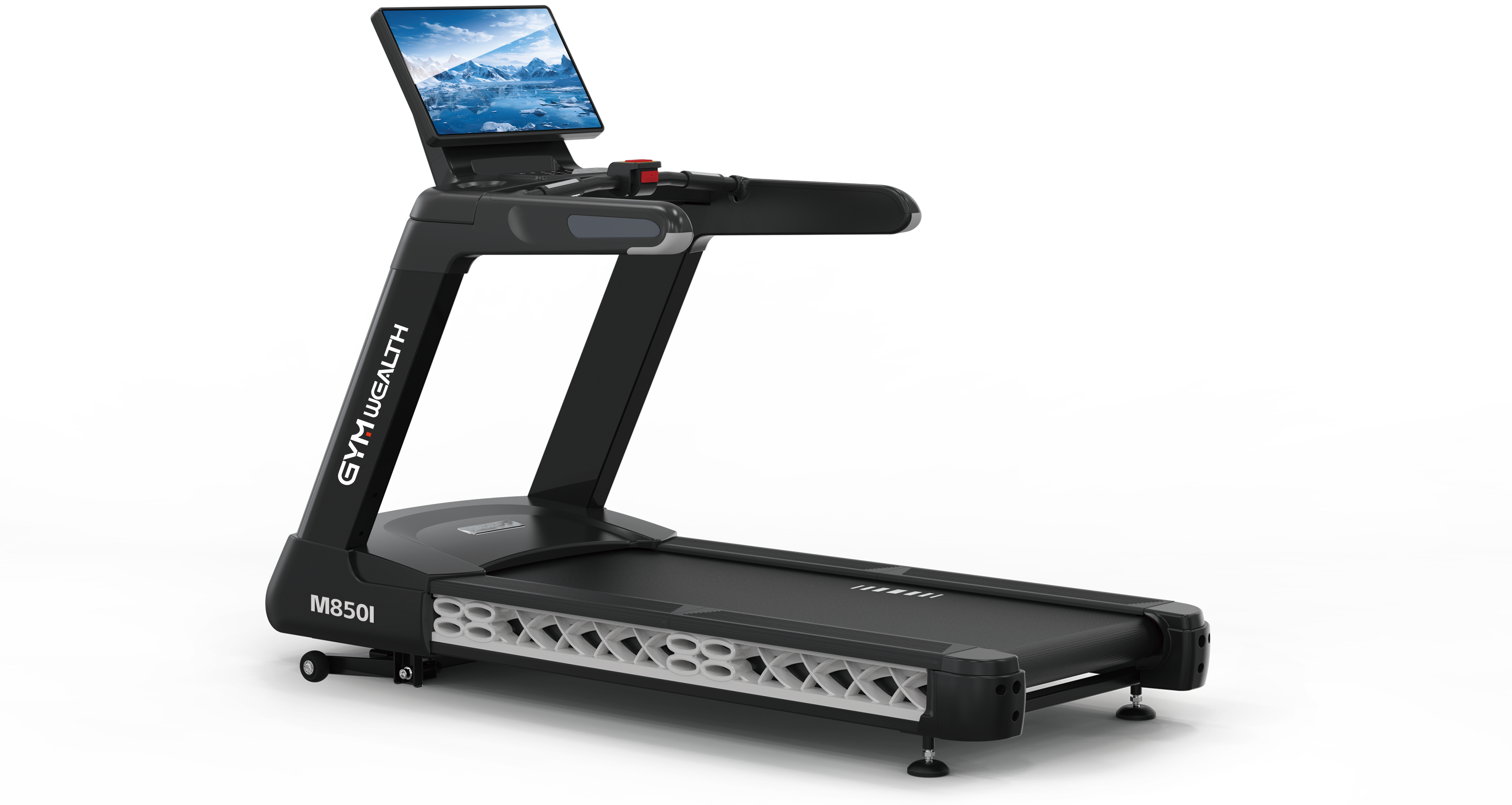
An ex-factory supplier such as **Gym-wealth** can help control unit costs and maintain accessible aftersales support. Request spare cables, pads, and a parts list upfront.
**4. Staffing**
- Assign one floor lead per shift who can coach and perform basic equipment fixes.
- Use two or three part-time trainers on revenue share.
- Front desk staff should greet members by name; retention begins at the door.
- Budget for cleaning and a maintenance retainer, as equipment downtime drives member loss.
**5. Operations**
Establish check-in, cleaning logs, equipment inspection schedules, and membership billing before opening. Automate renewals and freeze requests. Track weekly active members, churn, peak-hour occupancy, and equipment downtime. Use a two-week friends-and-family soft launch to stress-test layout, staff flow, and equipment placement.
**Final Word**
Location determines traffic; equipment and operations determine retention. Address site, budget, procurement, staffing, and systems in order to reduce common first-gym risks.