

Preventive maintenance gym equipment
Gym Equipment Preventive Maintenance: A Condensed Buyer’s Guide
Most commercial gym equipment failures result from maintenance gaps rather than manufacturing defects. A cable that fails after 18 months often had months of undocumented warning signs. Planning maintenance at the specification stage reduces repair costs over a 10-year equipment lifecycle.
Cardio Equipment
Commercial treadmills such as the XM750 and M850-TFT require frequent attention. Running belts, deck surfaces, and drive motors are common failure points. Daily wiping of belts, rails, and consoles, plus weekly belt tracking checks, extends service life. Belt tension and deck lubrication should be checked every 30 days.
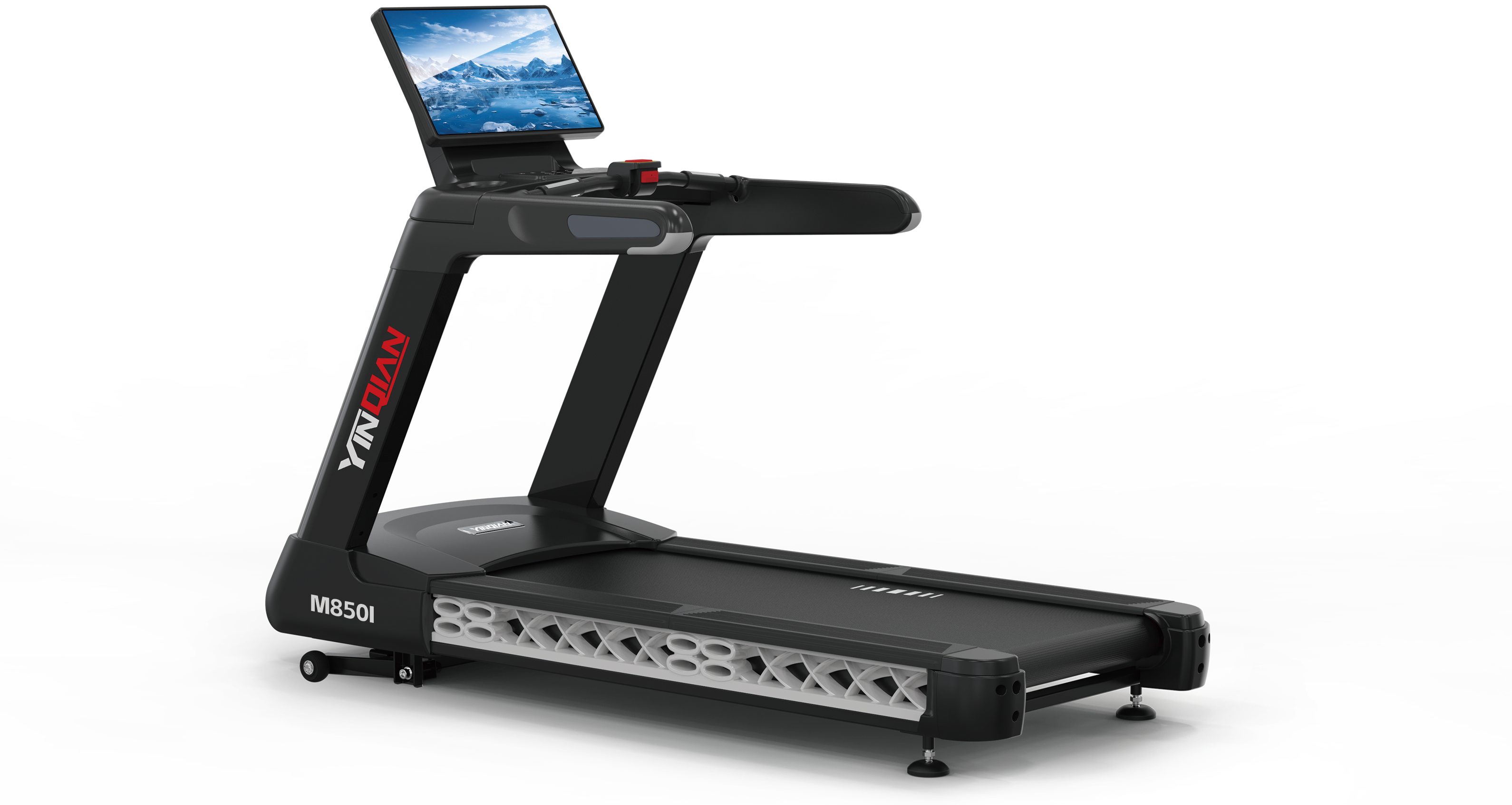
On the YQ02 LED stair climber, chains, bearings, and crank assemblies require monthly torque checks.
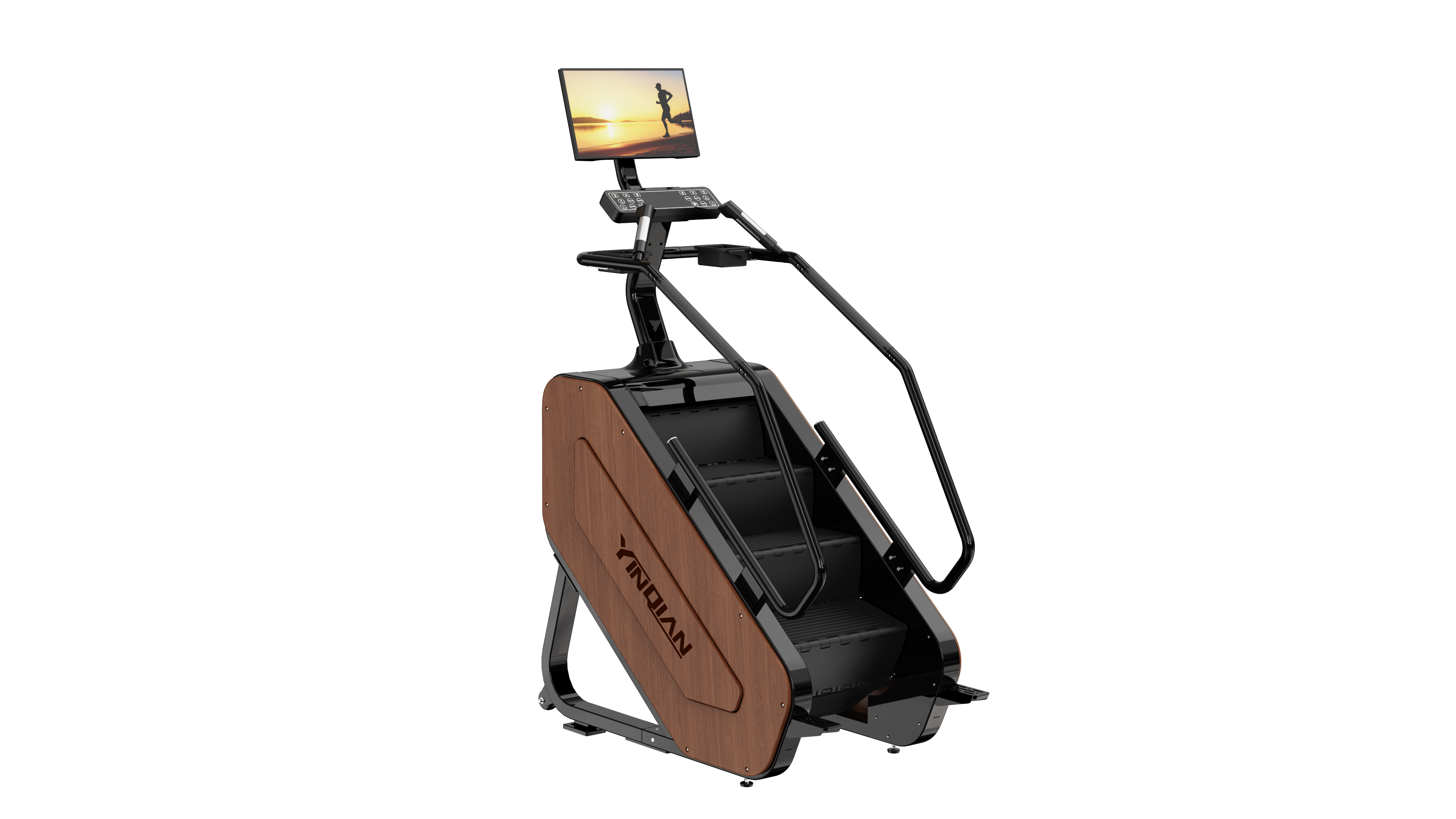
Cardio schedule: Daily—wipe belts/rails/consoles, check emergency stop. Weekly—belt tracking/tension, listen for motor noise. Monthly—lubricate deck, inspect power cables, check pedals/handles. Annually—replace high-traffic belts, rebuild drive motors.
Selectorized Strength Equipment
Selectorized machines typically last 10–15 years with proper care; cable and pulley systems are the main limiting factor. Cables should be inspected weekly for fraying near ball ends and pulley contact points. Pulleys should be lubricated every 60–90 days depending on humidity. High-traffic units such as the ST002A pec fly/rear delt and BLY1314 leg extension/leg curl require close attention to pivot points and adjustment pins. Annual hardware replacement is cheaper than replacing an arm assembly.
Strength schedule: Daily—wipe upholstery, inspect cable ends, check guide rods. Weekly—verify adjustment pins and bolts. Monthly—lubricate guide rods/pulley bearings, tighten frame bolts. Annually—replace worn cables, re-upholster pads, check welds.
Plate-Loaded and Free-Weight Equipment
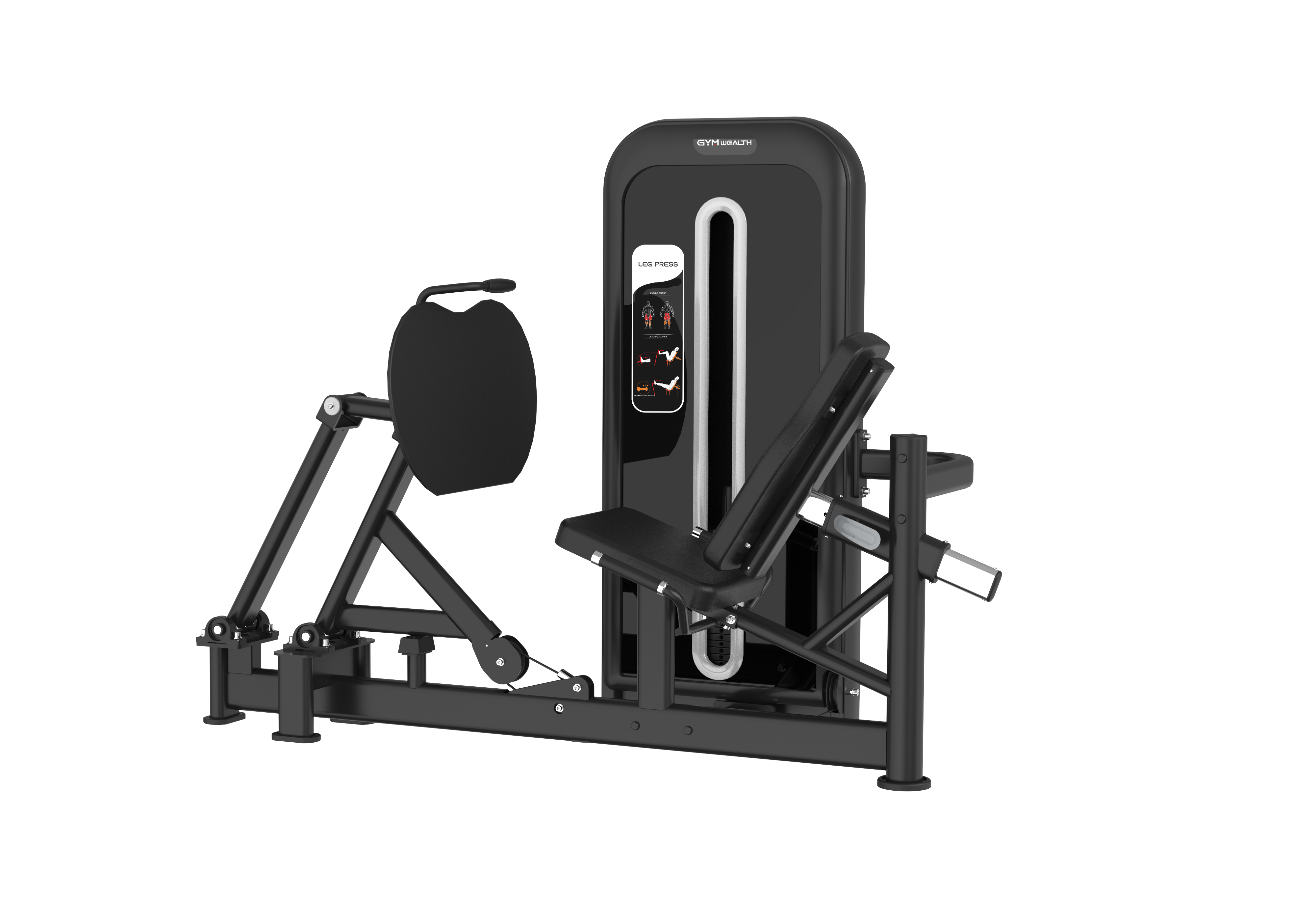
Plate-loaded and free-weight equipment has fewer moving parts but receives heavy use. Frames such as the LT-015 leg press and ZH006 hip thrust can last 15+ years, but pads, bearings, and pivot bushings require replacement. The ZH039 barbell rack and ZH036 flat bench need less preventive maintenance but more inspection; loose bolts or worn pads can create failure risks. Weekly checks and pad replacement every 3–5 years are recommended.
Expected Lifespan
Commercial treadmills: 7–10 years. Stair climbers: 8–12 years. Selectorized strength: 10–15 years. Plate-loaded machines: 12–18 years. Free-weight benches and racks: 15+ years. Maintenance cadence, not parts quality, largely determines whether equipment reaches the top of these ranges.
After-Sales Support
Before purchase, buyers should confirm that replacement cables, pulleys, and pads can be sourced within two weeks; technical manuals with parts lists exist; staff maintenance training is available; and warranty terms cover wear items. Gym-wealth provides factory parts support, which is important for multi-location operators. Rapid sourcing for items such as a ZH033 draw muscle machine cable reduces station downtime.
Routine and Budget
A maintenance routine requires daily checklists, weekly inspections, and monthly service blocks, supported by equipment logs. Annual maintenance and parts budgets of 2–4% of total equipment value reduce early replacements and improve future purchasing terms.