

Used vs. New Gym Equipmen
Used vs. New Gym Equipment: An Objective Comparison
Gym owners often choose between used machines at lower upfront cost and new equipment with warranties. The right choice depends on budget, timeline, and planned operating life.
Used Equipment
Used commercial equipment can cost 40–60% less than new. It may suit startup gyms testing a location, secondary or overflow rooms, and budget bootcamps or HIIT studios where equipment cycles out. Used treadmills and bikes can offer good value because cardio depreciates quickly.
Risks include hidden costs: upholstery, cables, pulleys, bearings, and control boards can consume 30–50% of savings within two years. Parts availability is a major issue, especially for older off-brand imports. A cracked used leg press frame may require a welder rather than a supplier.
New Equipment
New equipment offers predictable performance, documented warranties, and parts support. For facilities open 12+ hours daily, uptime is revenue. A broken NT012 LAT PULLDOWN idle for three weeks can cost more in member frustration than the machine is worth.
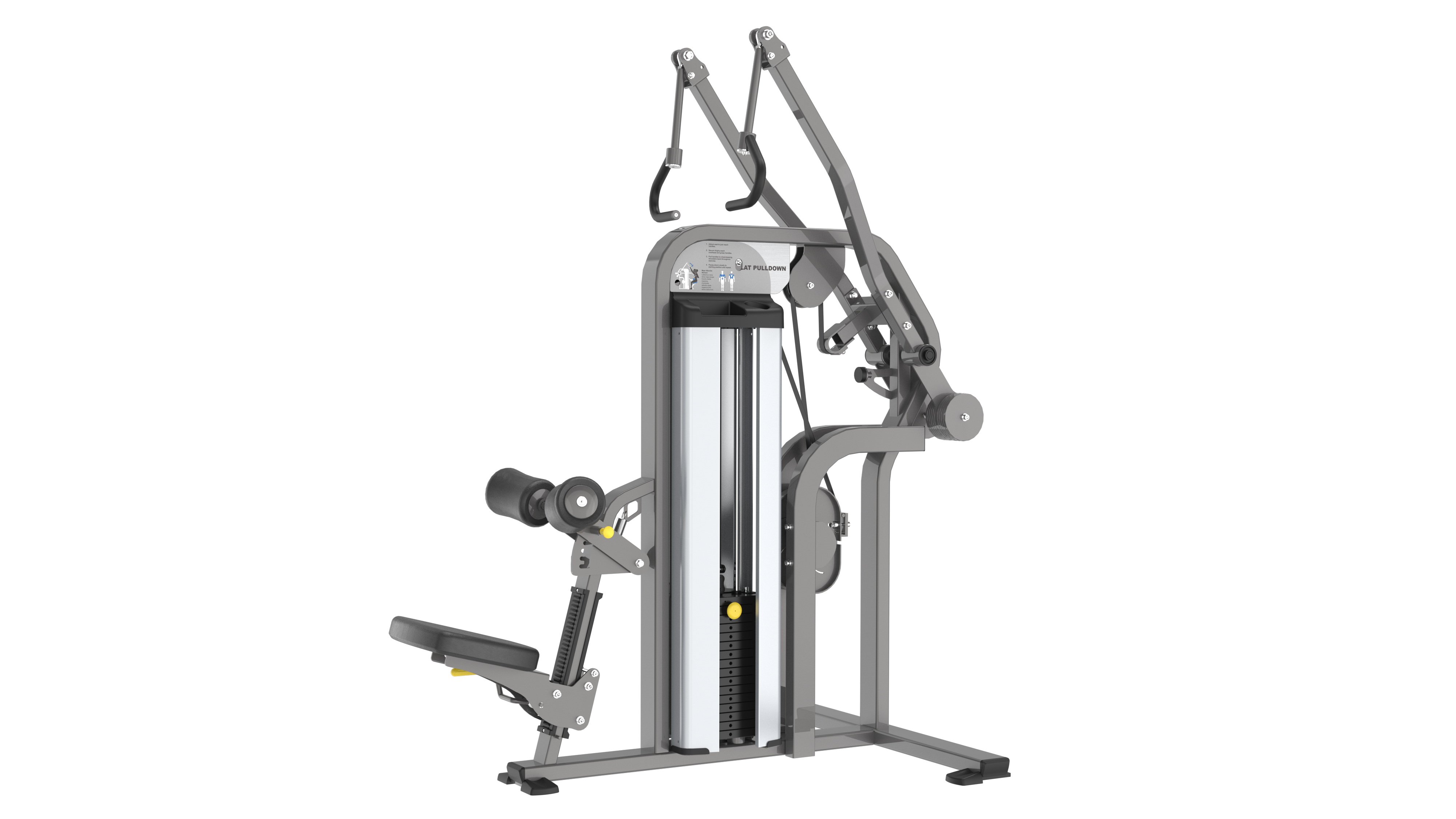
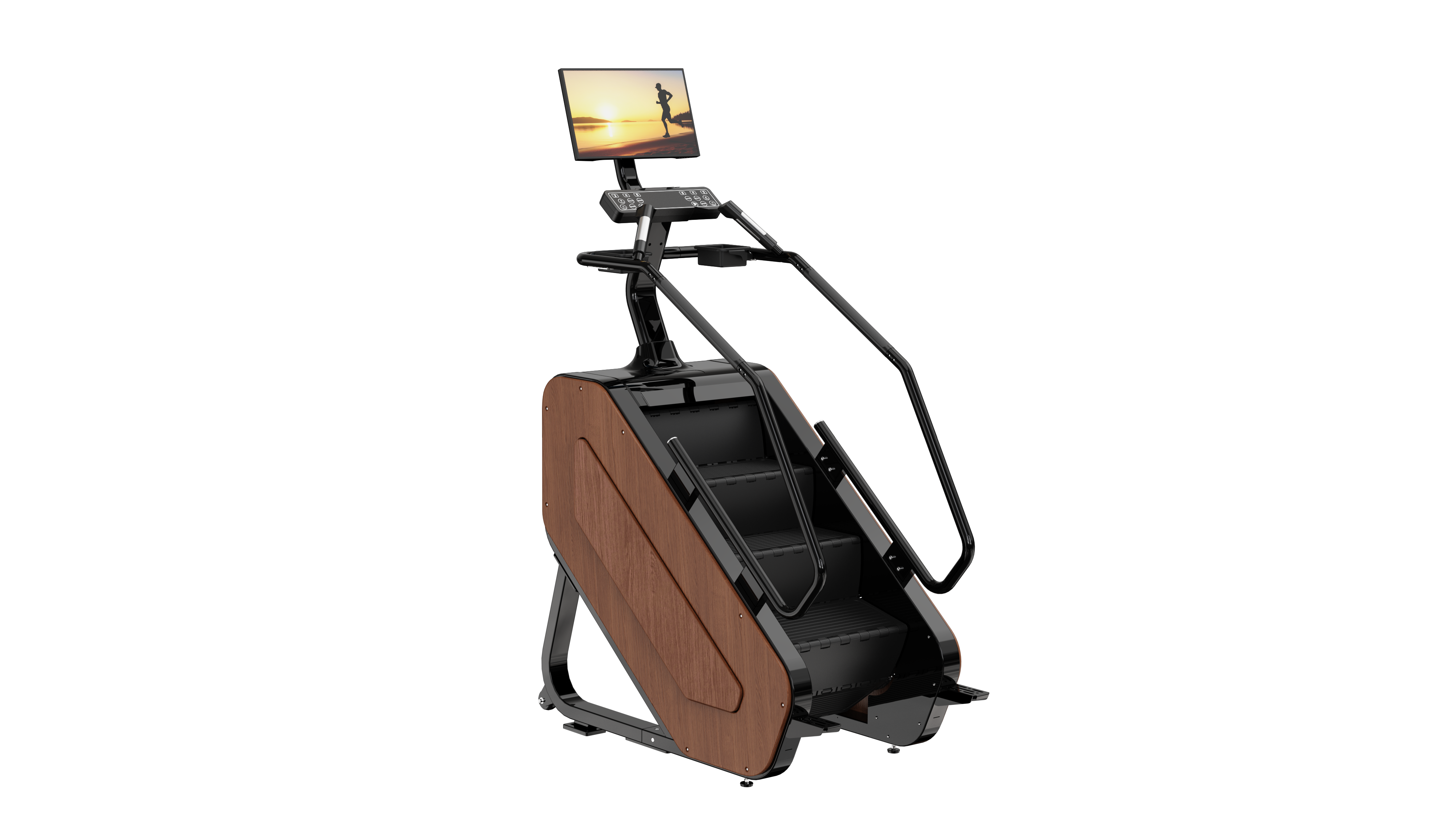
Over five years, a new selectorized machine may cost roughly 2–2.5x its used counterpart upfront. After repairs, downtime, and member churn, the gap often narrows to near zero. New equipment also standardizes the member experience, from the TH021 SQUAT RACK in free weights to the YQ02 LED STAIR CLIMBER on the cardio deck.
Factory-Direct New Option
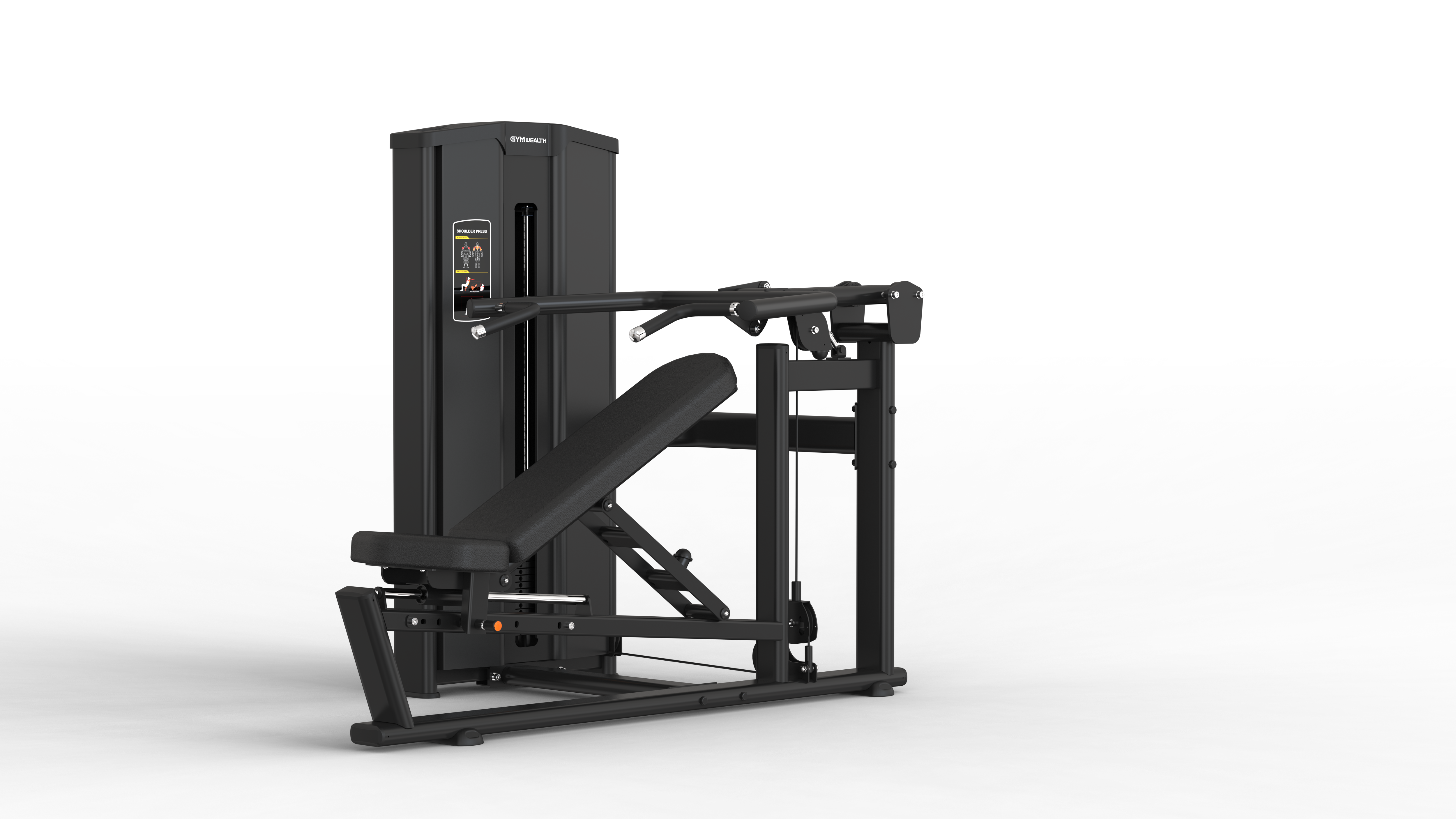
Factory-direct purchasing is another option. Manufacturers such as Gym-wealth sell at ex-factory pricing, which can place new commercial equipment at or below refurbished Western brands. Examples include the XT-09 LEG PRESS, MTS004 ISO-LATERAL ROW, GW018 INNER THIGH ADDUCTOR, and BST03 SEATED AND HORIZONTAL SHOULDER PRESS, with current-year manufacturing and parts backup.
When Used Makes Sense
Immediate space filling with tight cash
Machines under 5 years old with service records
When New Is Non-Negotiable
High-traffic floors with 100+ members per day
Complex electronics such as stair climbers or projection treadmills
Premium memberships where appearance drives retention
Warranty-backed service response required
Buying Checklist
Frame: check for rust at welds, especially used plate-loaded leg presses
Upholstery: cracked vinyl costs $80–150 per pad
Cables: fraying means full replacement
Parts: can replacements arrive in under 2 weeks?
Weight stack: check for missing plates, bent guide rods, worn bushings
Supplier support: who responds when a machine breaks at 6am?
Bottom Line
Used equipment fits tight budgets, short leases, or discounted premium brands. For most commercial gyms planning to operate five-plus years, new equipment from a factory-direct supplier often delivers better long-term economics. Compare five-year total cost before deciding.